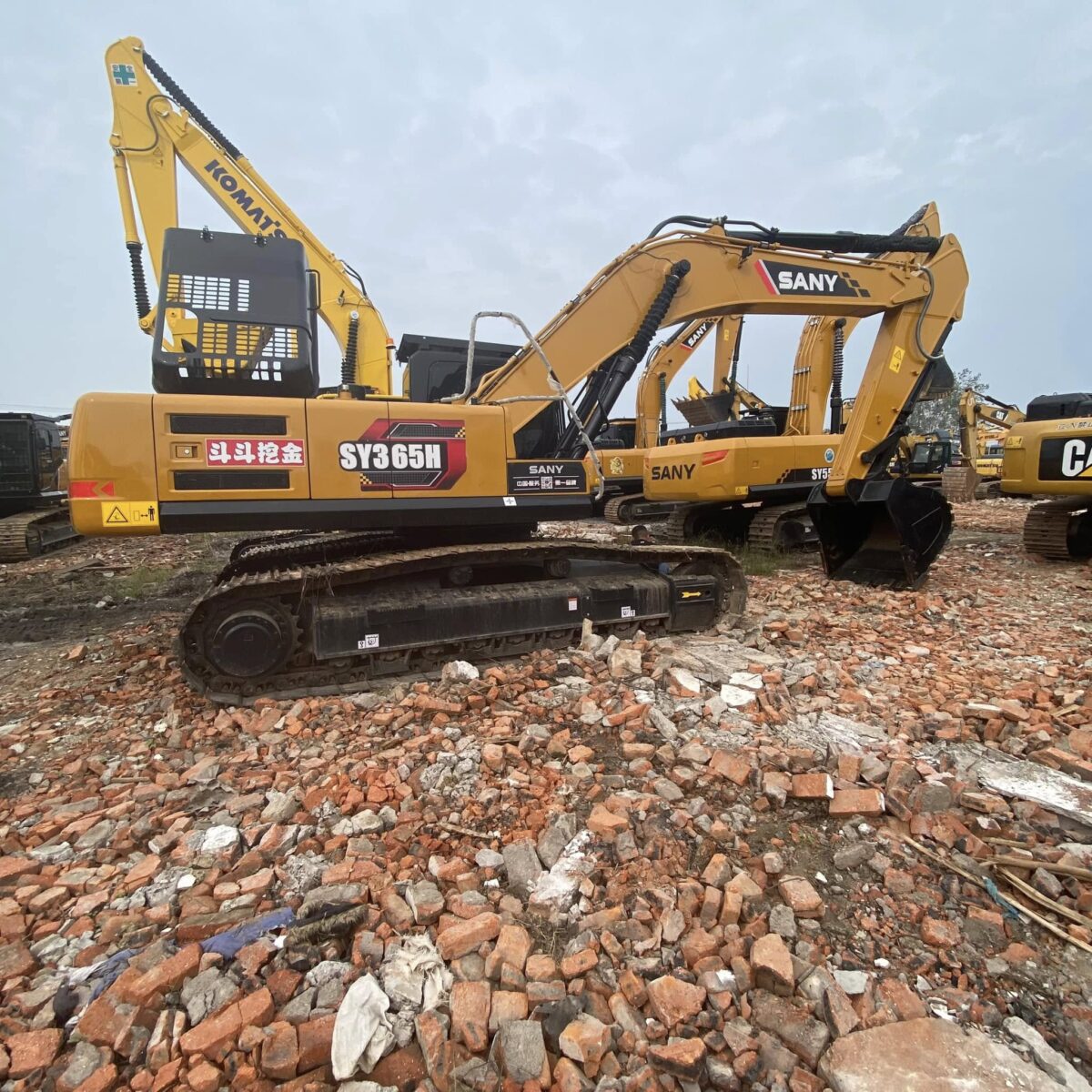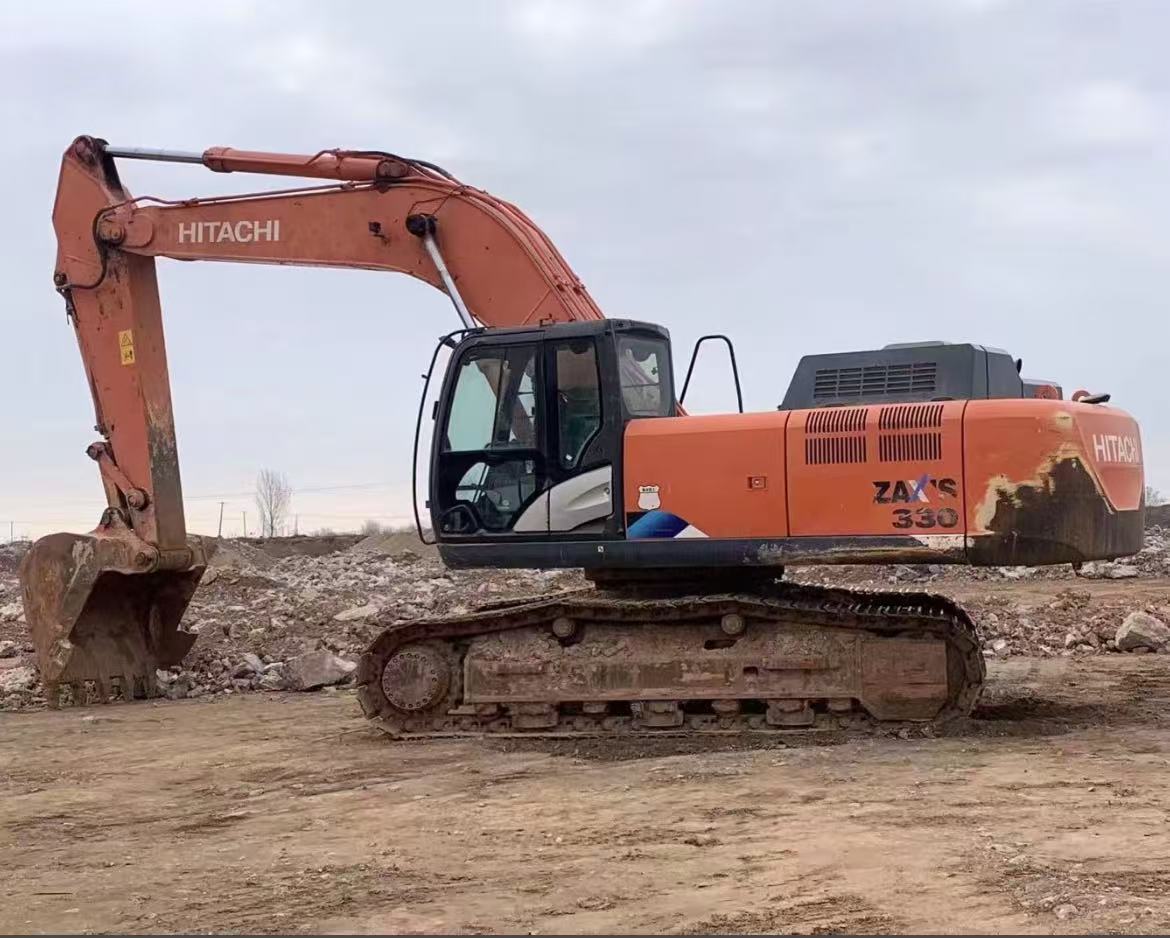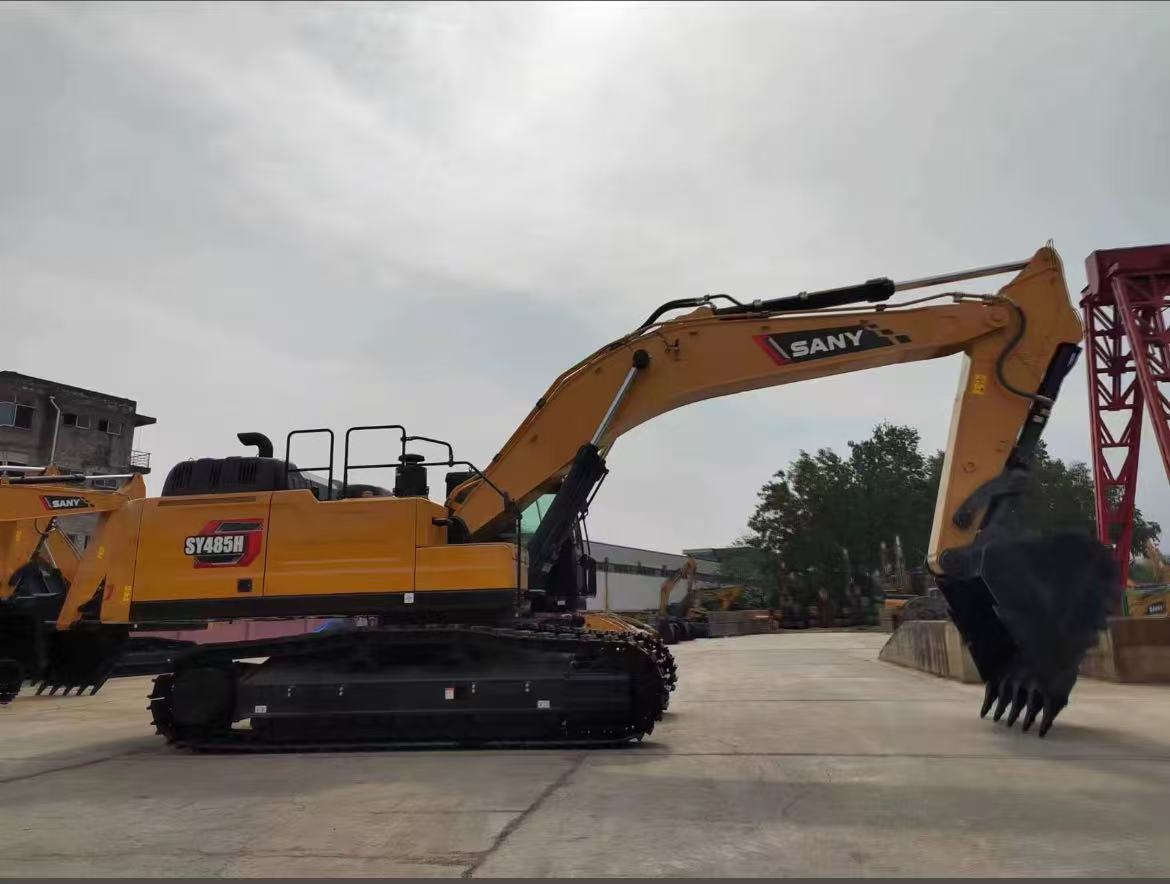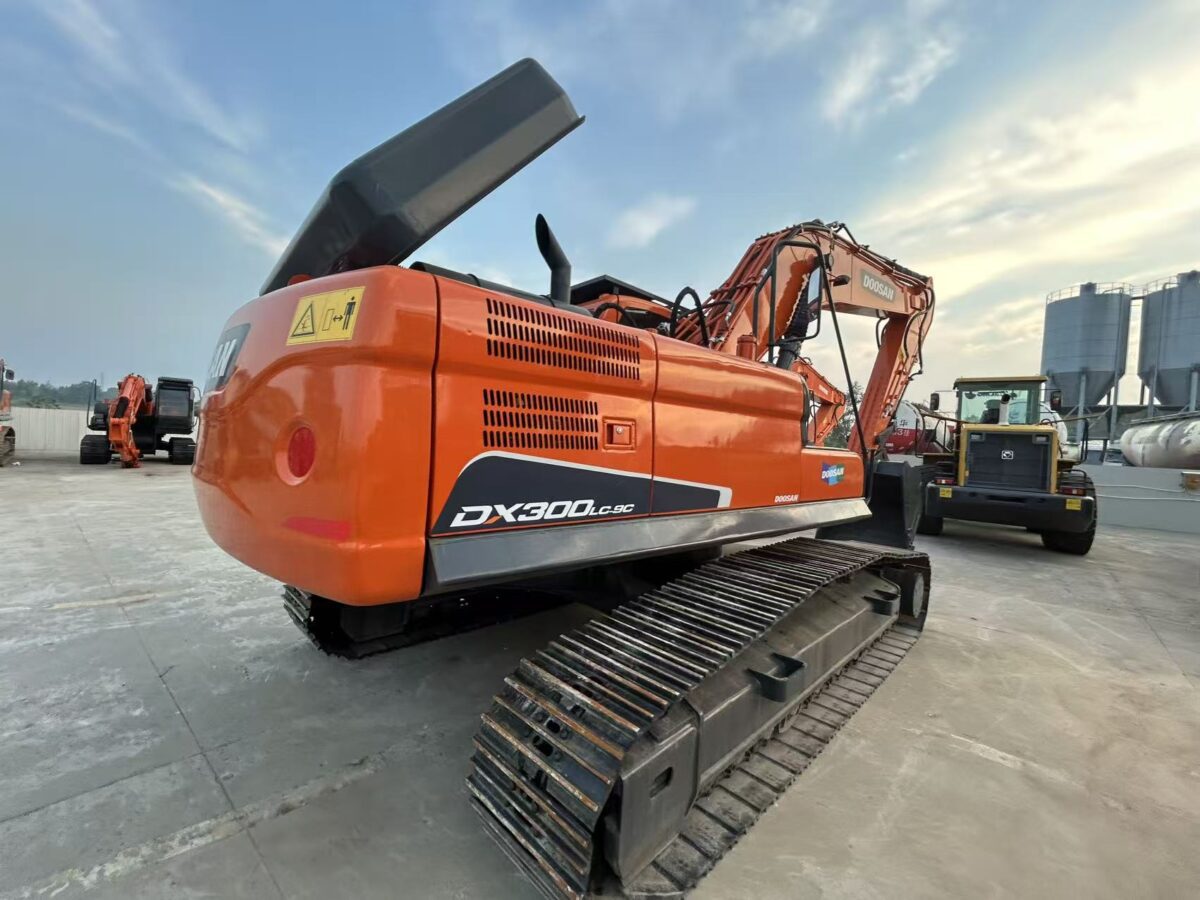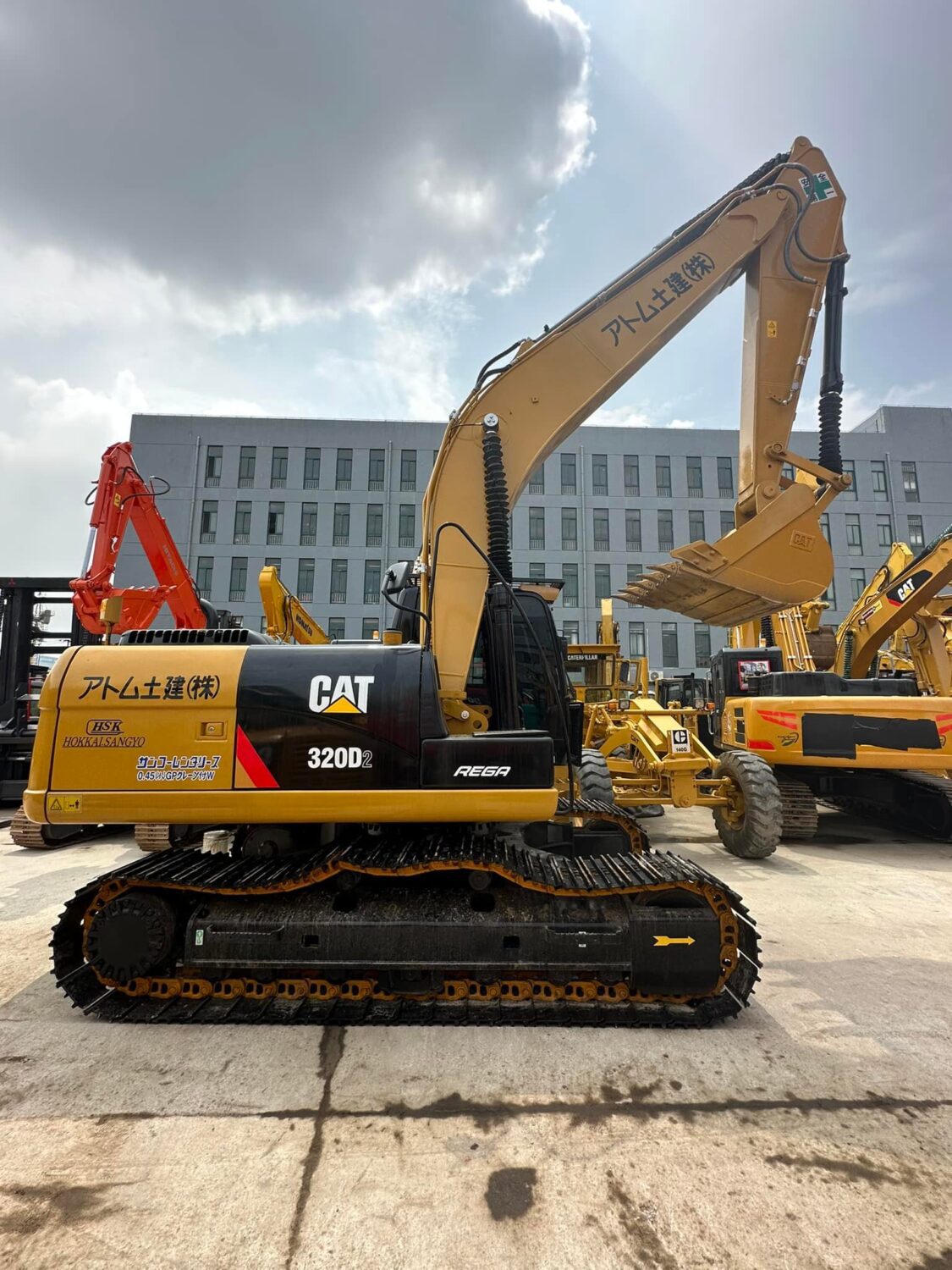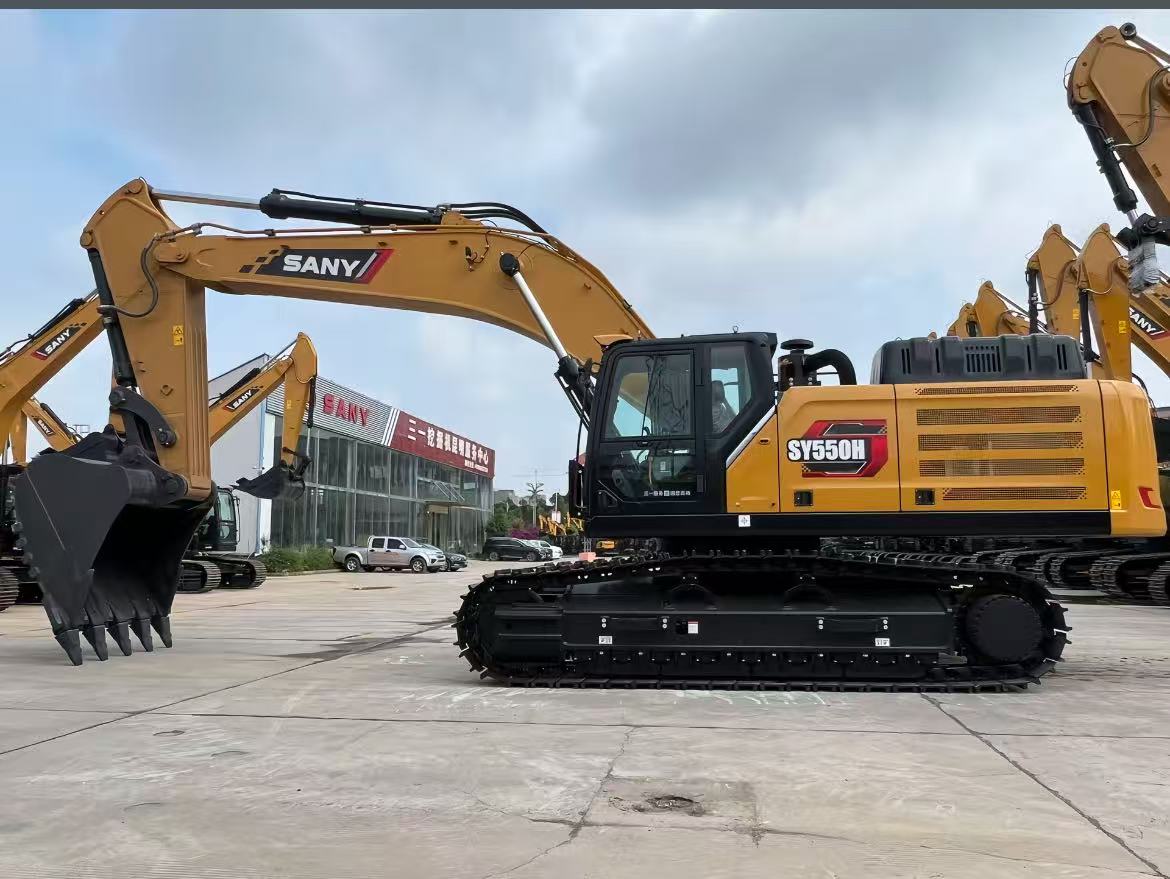
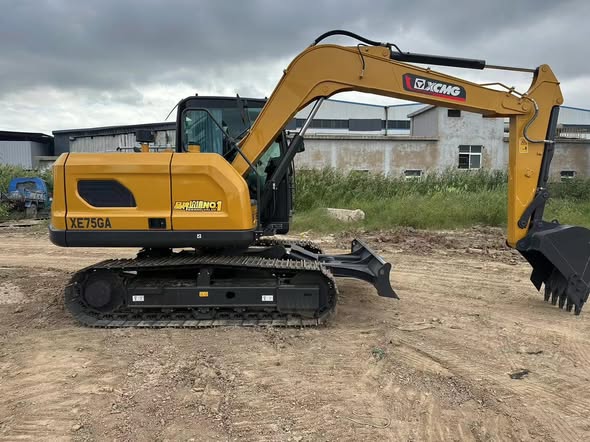
Buying a good used mini excavator, compact excavator, or medium excavator can help you save money and improve work efficiency. However, choosing the wrong machine may lead to high repair costs and downtime.
Before purchasing, you should carefully inspect the machine, check its history, and verify the seller’s reputation. This guide will help you make a safe and smart decision.
Key Takeaways
- Always review complete service and maintenance records.
- Inspect the undercarriage and hydraulic system carefully.
- Choose a reputable seller with proper documentation.
- Test the machine before final purchase.
1. Check Service Records and Maintenance History
Service records show how well the excavator was maintained. Machines with regular oil changes and inspections usually last longer and perform better.
Before buying, make sure:
- Maintenance follows the manufacturer’s schedule
- Oil and filter changes were done on time
- Major repairs are clearly documented
Well-maintained machines reduce future breakdown risks.
2. Inspect the Undercarriage and Hydraulic System
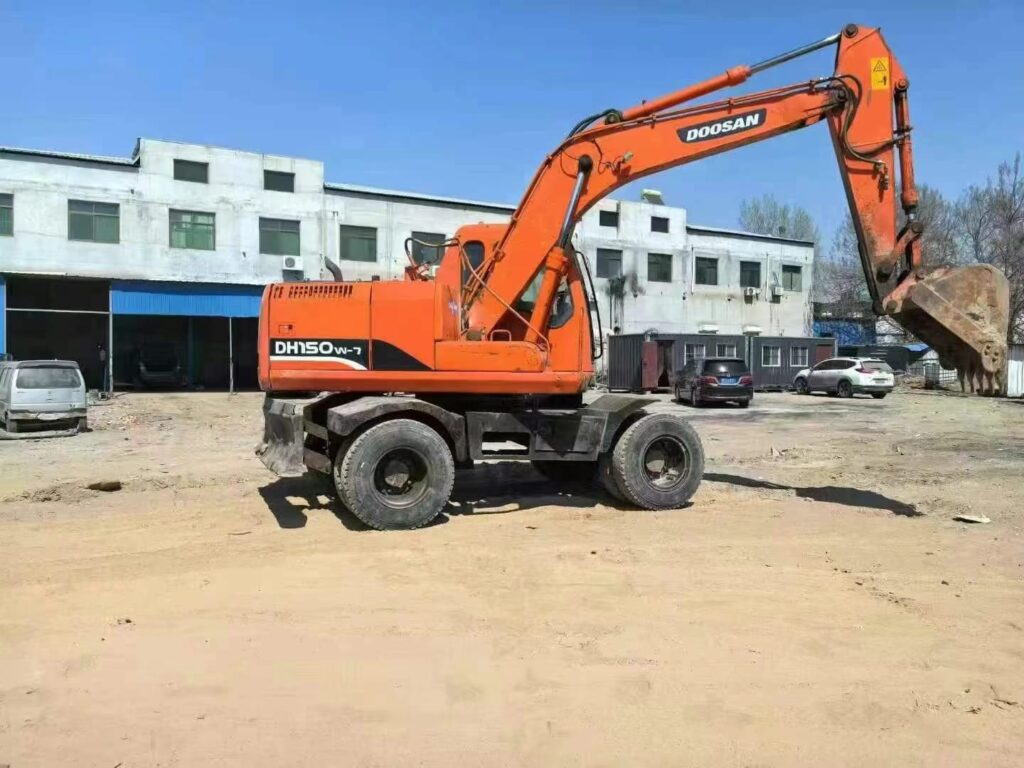
The undercarriage supports the entire machine and is expensive to repair.
Check:
- Track wear and tension
- Rollers and sprockets condition
- Dirt or debris buildup
For hydraulics, inspect:
- Hoses and fittings for leaks
- Hydraulic response speed
- Unusual noises
Good hydraulics ensure smooth operation and strong digging power.
3. Evaluate Engine Performance and Fluid Levels
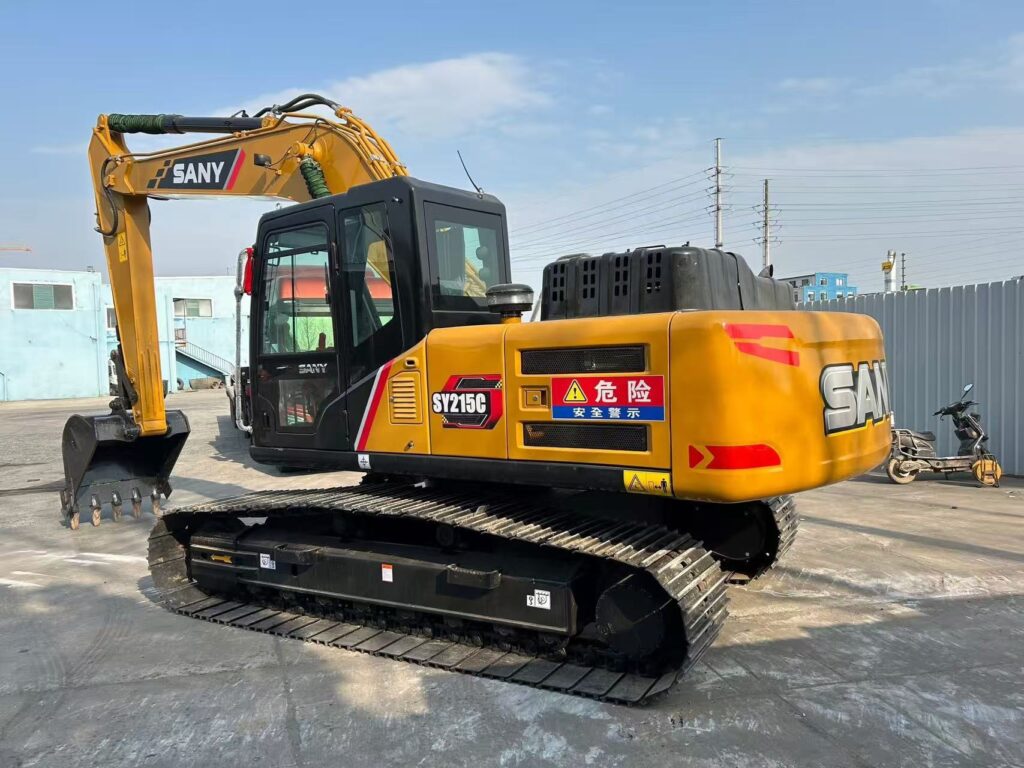
Start the engine when it is cold and listen carefully.
Look for:
- Smooth startup
- No abnormal sounds
- Stable idle speed
- No excessive smoke
Also check:
- Engine oil
- Hydraulic oil
- Coolant level
Proper fluid condition means lower repair risks.
4. Look for Signs of Wear and Structural Damage
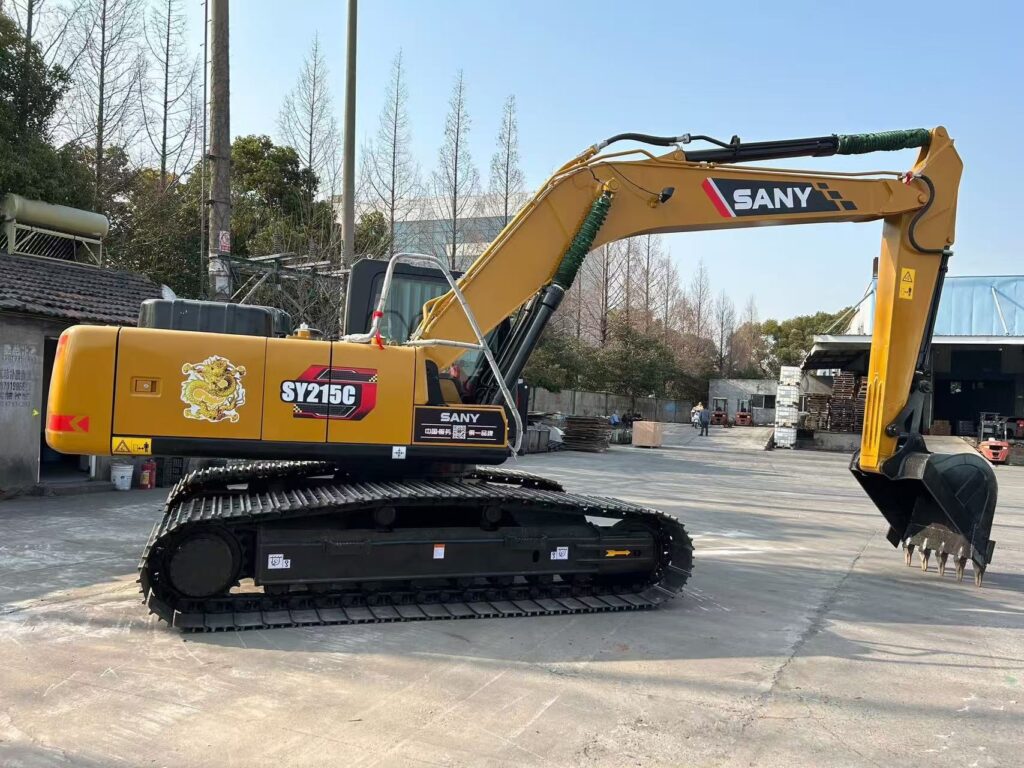
Visual inspection helps you identify hidden problems.
Check:
- Cracks or welding marks on boom and arm
- Rust on frame and body
- Loose pins and bushings
- Cab condition and control response
Well-maintained machines usually keep higher resale value.
5. Confirm Attachment Compatibility
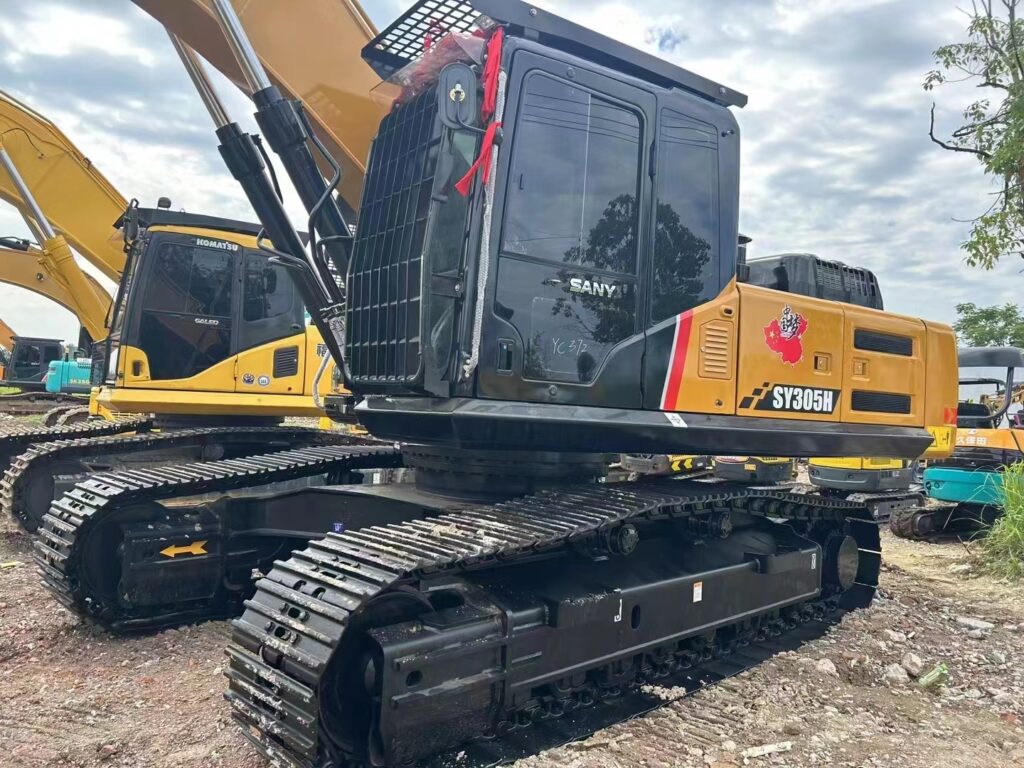
Make sure attachments match the excavator model.
Check:
- Hydraulic flow compatibility
- Mounting dimensions
- Coupler type
Common couplers include:
- D-lock couplers
- Multi-pin couplers
- Tilt couplers
Proper attachments improve efficiency and safety.
6. Review Cab Comfort and Control Systems
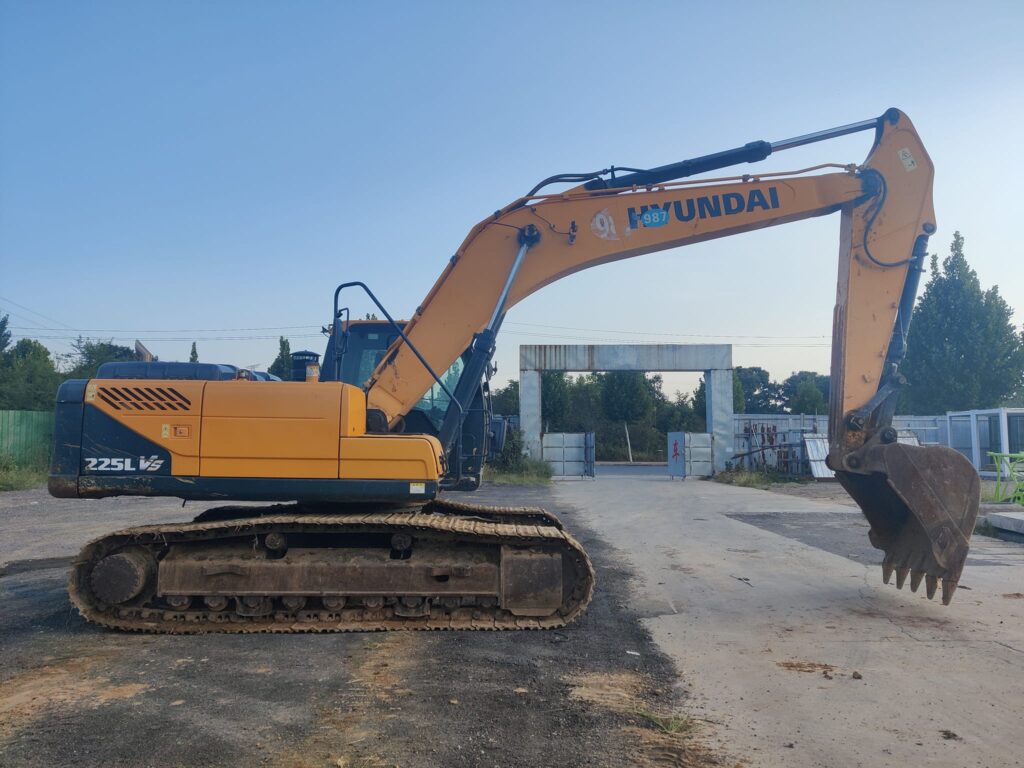
Comfort affects daily productivity.
Look for:
- Adjustable suspension seat
- Clear displays
- Easy-to-reach controls
- Good visibility
- Low noise insulation
Modern machines with ergonomic design reduce operator fatigue.
7. Consider Weight, Digging Depth, and Transport
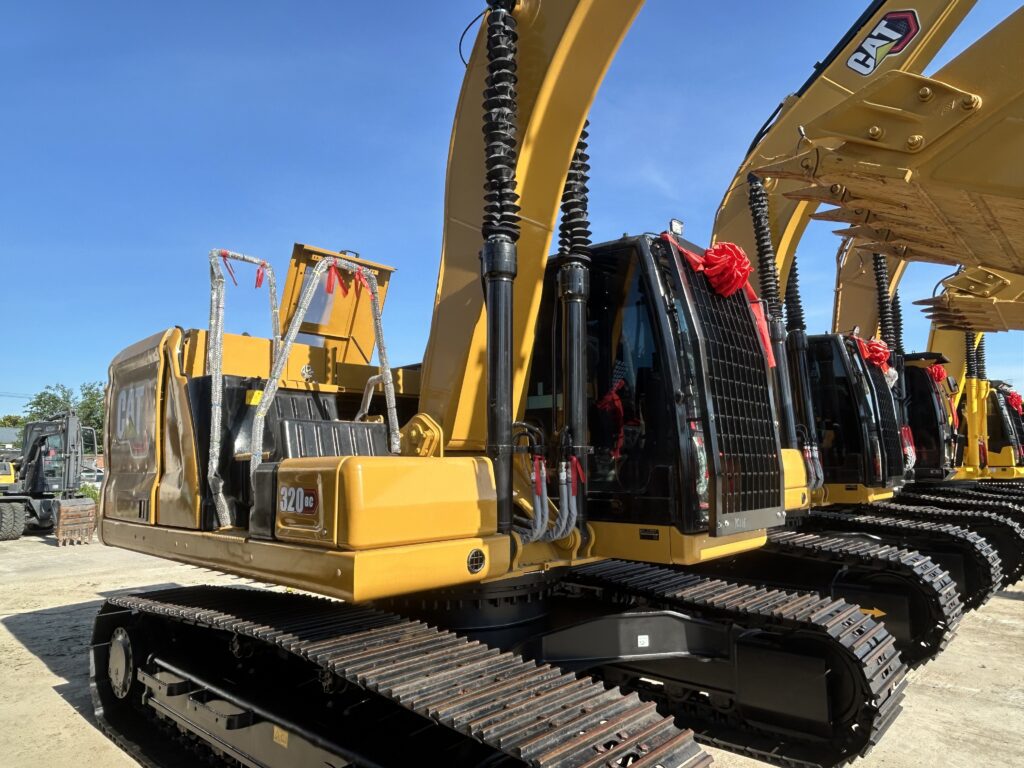
Choose a machine that fits your job site and transport needs.
Typical ranges:
- Operating weight: 2,000–12,000 lbs
- Digging depth: 5–13 ft
Heavier machines offer better stability, while lighter models are easier to transport.
8. Evaluate Seller Reputation and Total Cost
A reliable seller reduces buying risk.
Before purchasing:
- Check company background
- Read customer reviews
- Ask about warranty
- Verify documents
Required documents:
- Bill of sale
- Maintenance records
- Ownership certificate
- No-lien statement
Also consider:
- Maintenance costs
- Fuel consumption
- Spare parts availability
Low purchase price does not always mean low total cost.
Final Buying Checklist
Before final decision, confirm:
✔ Machine age and working hours
✔ Undercarriage condition
✔ Hydraulic performance
✔ Cold engine start
✔ Service records
✔ Transport method
✔ Parts supply
Using a checklist helps avoid costly mistakes.
Frequently Asked Questions
How many hours are acceptable for a used mini excavator?
Generally, machines with less than 5,000 hours are preferred. Higher hours may require more maintenance.
Can I test the excavator before buying?
Yes. Always test operation, movement, and digging performance before purchase.
What documents should I request?
You should receive ownership papers, maintenance history, and legal clearance documents.