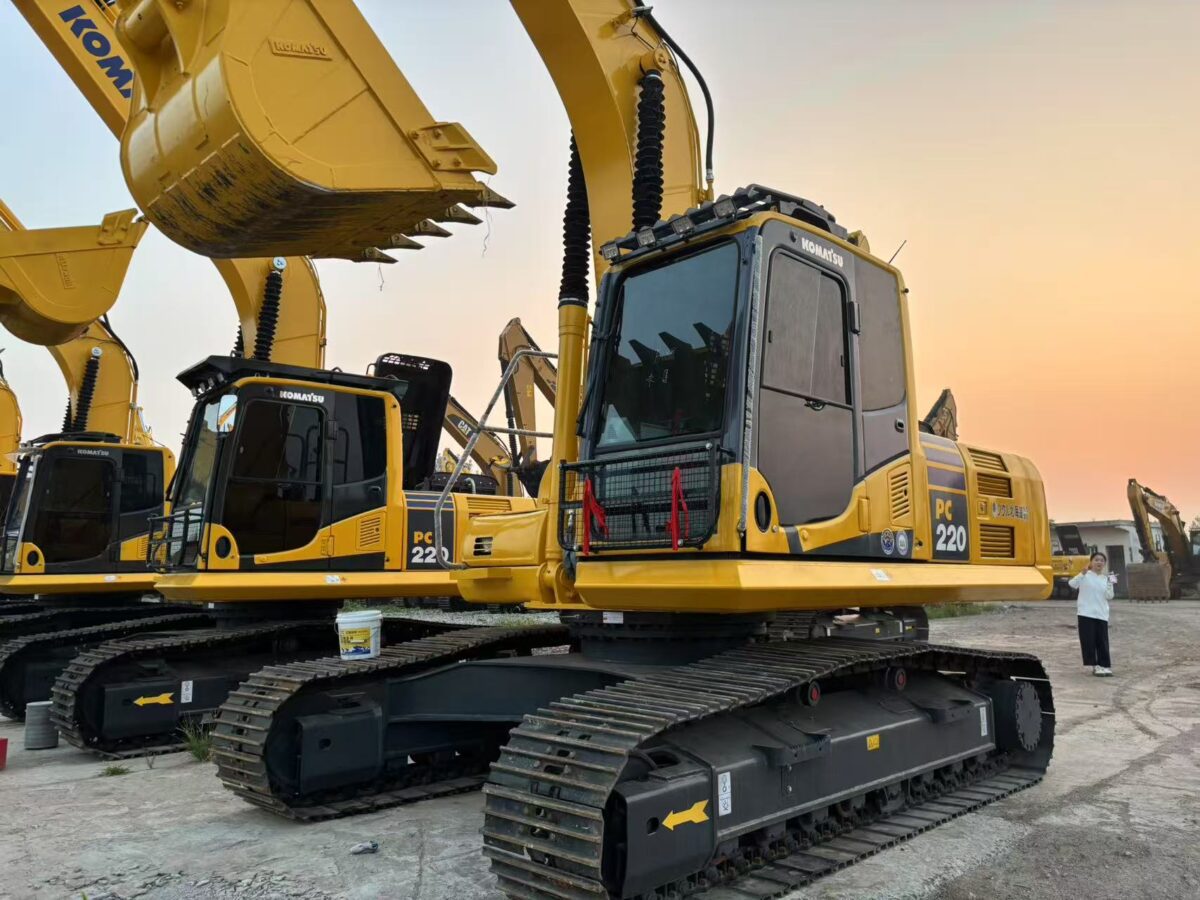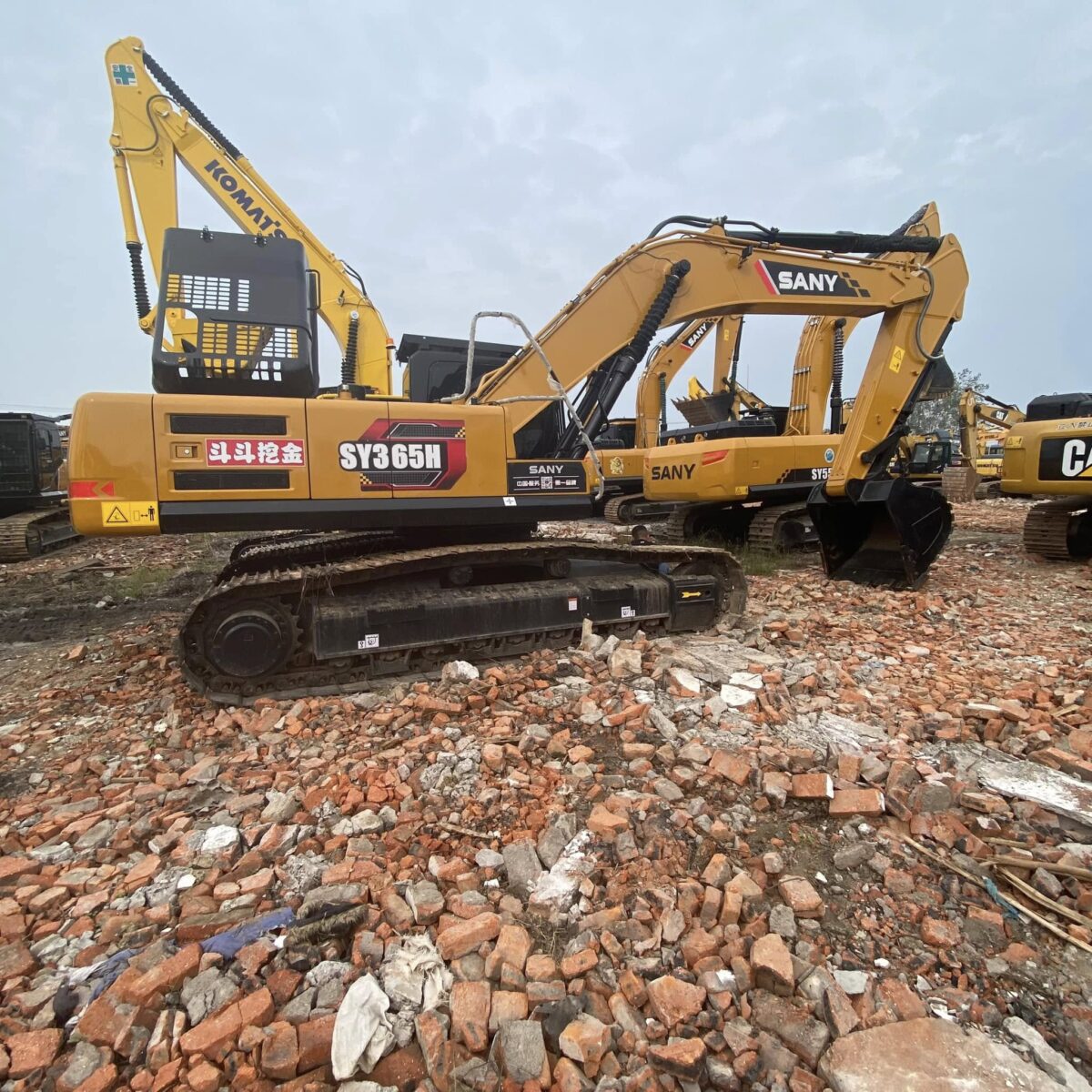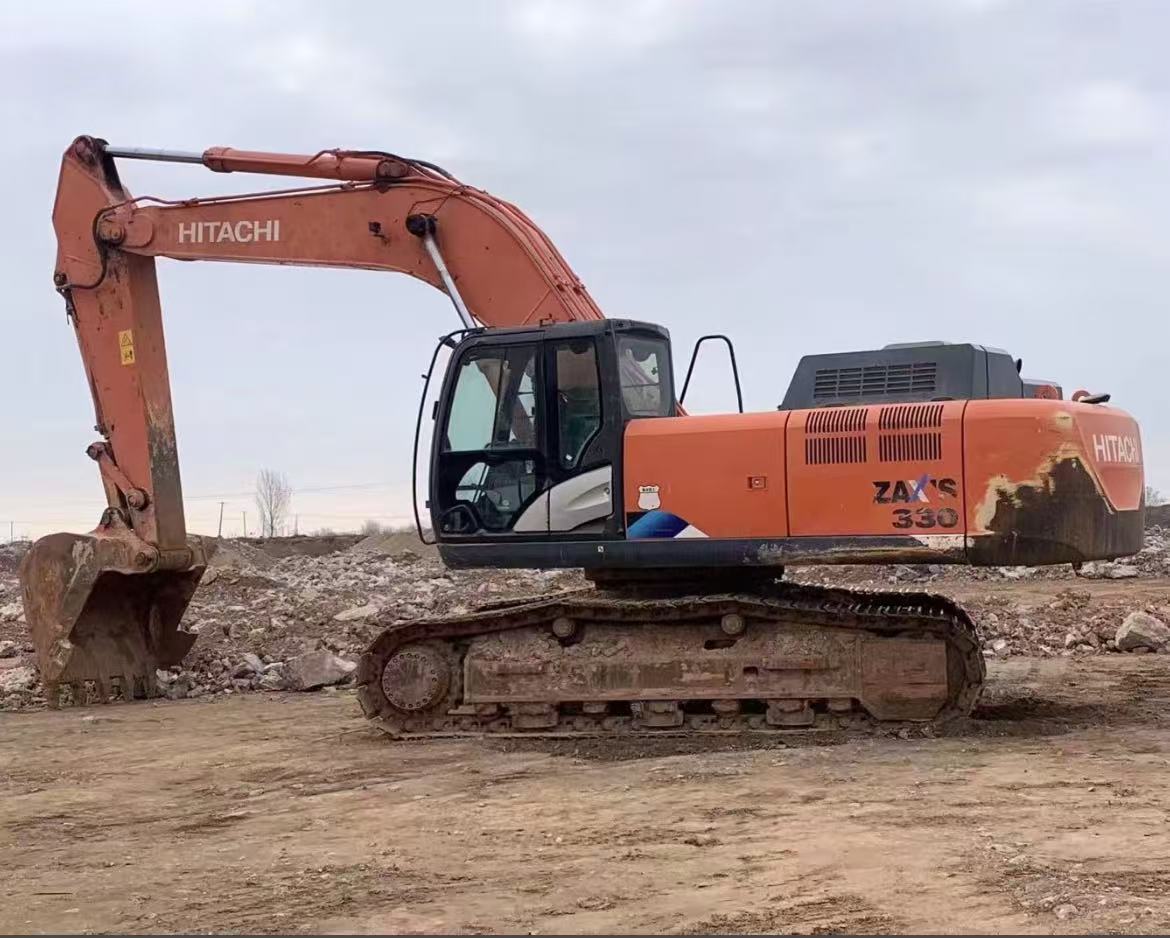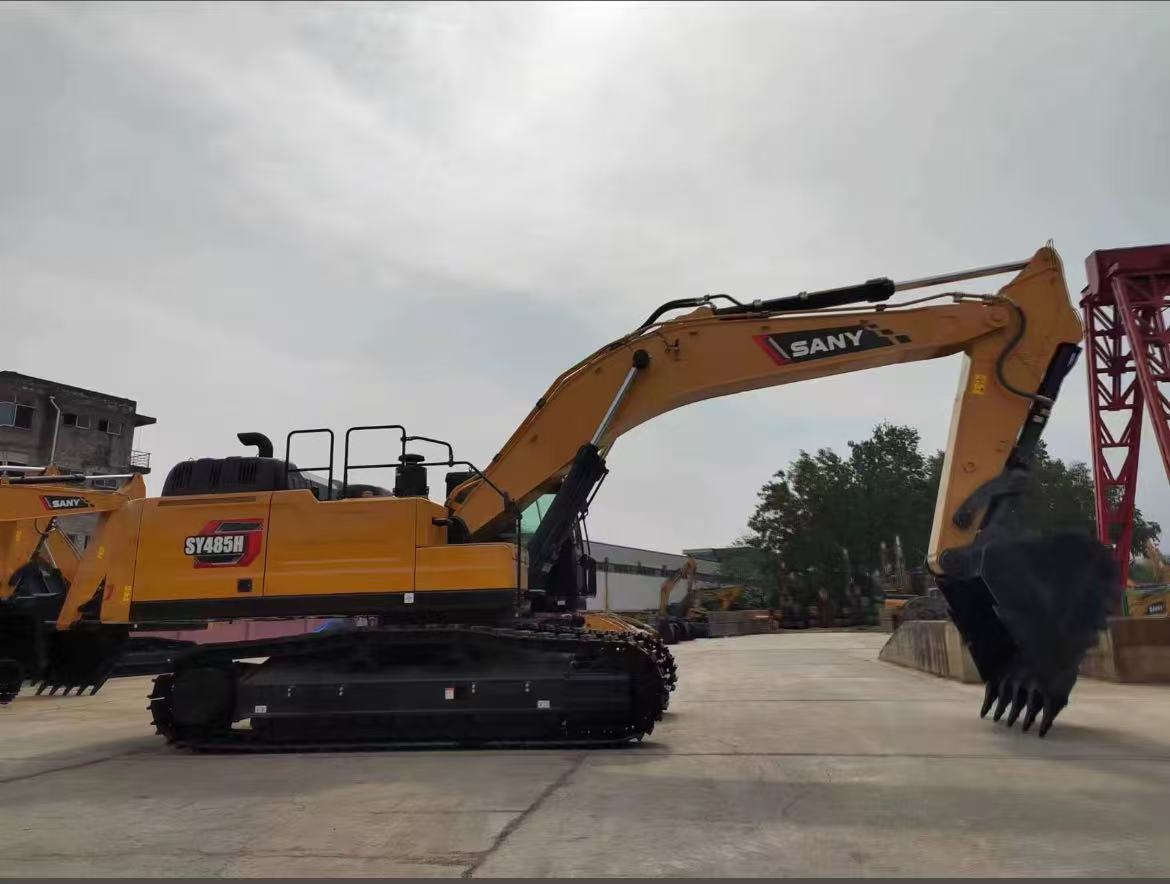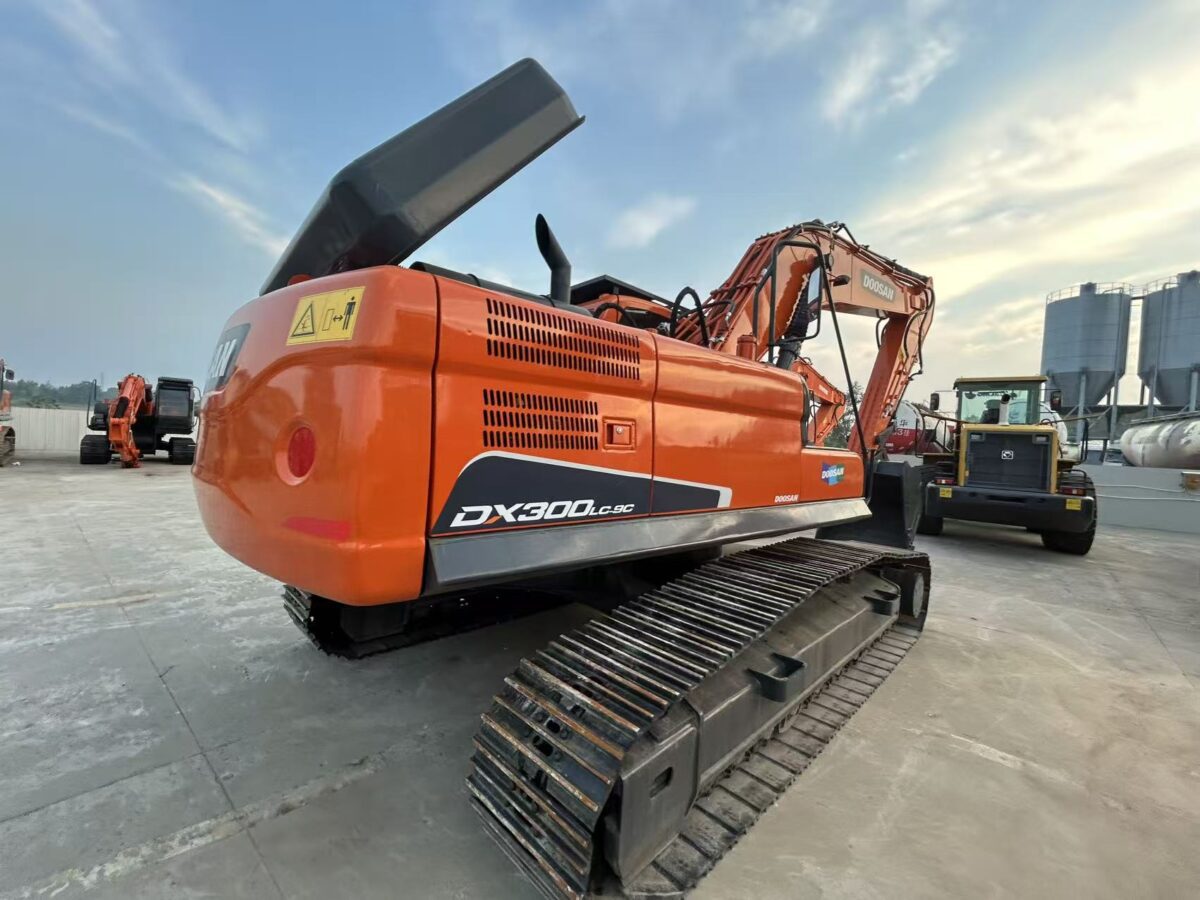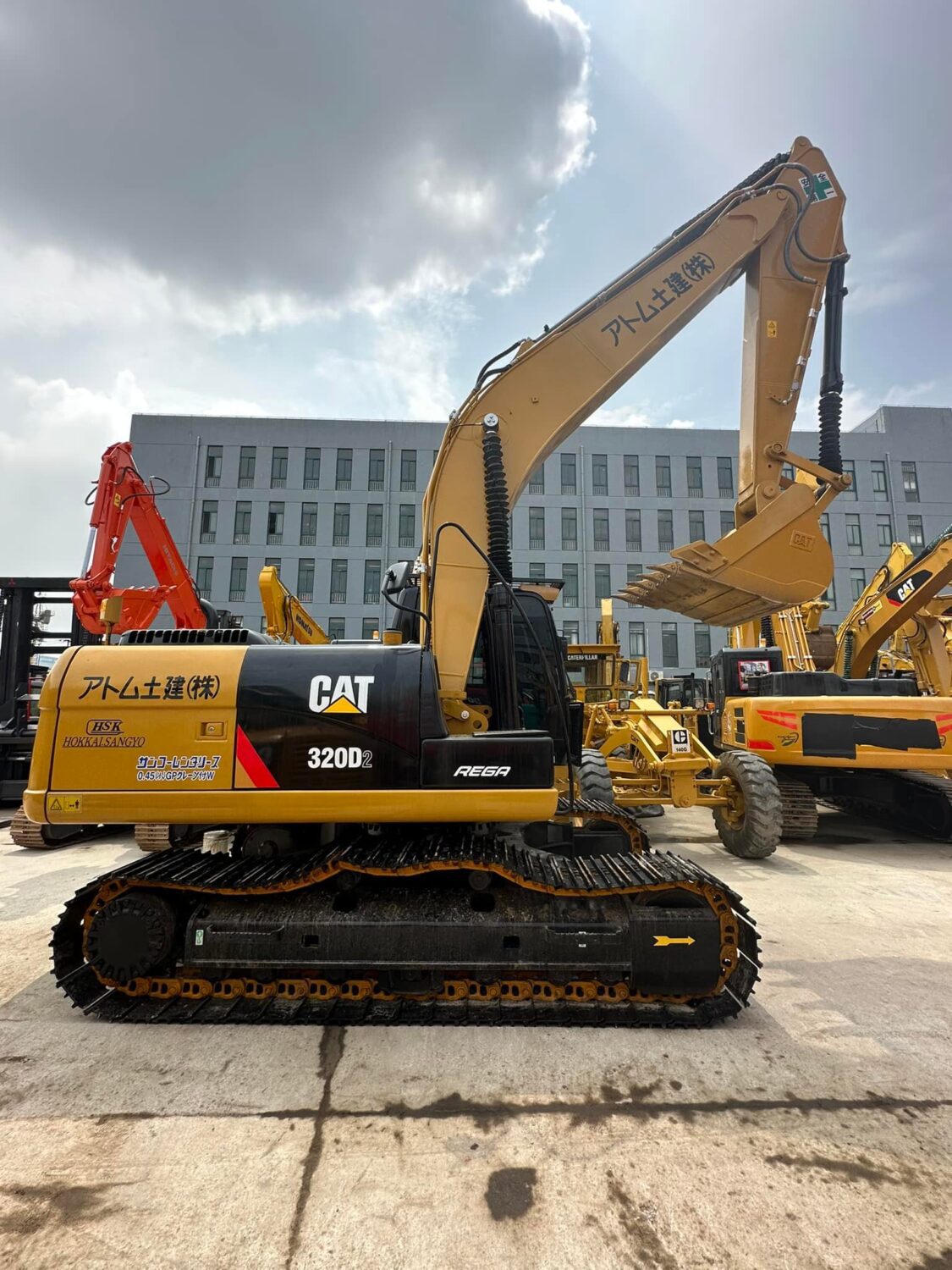
You need a fast, reliable way to compare CAT excavators. This Excavator Size Chart brings all major models together, organized by size class and specialty types. You can quickly reference the specs that matter most for your job. For clarity, see the table below for common specifications:
| Specification | Description |
| Operating Weight | Impacts lifting capacity and determines transport requirements. |
| Net Power (Horsepower) | Affects cycle times and overall productivity. |
| Digging Depth | Critical for trenching, foundation work, and underground utilities. |
| Dimensions | Travel width, height, and transport length can affect access to tight jobsites. |
This guide gives you practical details, whether you work in the field or just want easy-to-scan information.
Key Takeaways
1.Use the Excavator Size Chart to compare CAT models quickly and effectively.
2.Consider operating weight to determine lifting capacity and transport needs.
3.Match digging depth to your project’s requirements for trenching and foundation work.
4.Select the right size class based on your jobsite constraints and project scale.
5.Evaluate horsepower to ensure the excavator can handle demanding tasks efficiently.
6.Check compatibility with attachments to maximize the versatility of your excavator.
7.Plan transport logistics carefully to avoid delays and ensure safe delivery of equipment.
8.Consult with local CAT dealers for expert advice tailored to your specific project needs.
Excavator Size Chart Overview
Complete CAT Excavator Size Chart
| Size Class | Weight Range (metric tons) | Typical Models | Key Features & Applications |
| Mini Excavators | 1 – 10 | 300.9D, 301.5, 301.7 CR, 301.8, 302 CR, 303.5E2, 304E2, 305E2, 306, 308 CR, 309 CR, 310 | Compact, lightweight, ideal for tight spaces, landscaping, residential, and utility work. |
| Small Excavators | < 32 | 313 GC, 313, 315 GC, 315, 316, 318, 320 GC | More power and reach, suitable for general construction, small-to-midsize jobs, and utilities. |
| Medium Excavators | N/A | 320, 323, 325, 326, 330 GC, 330, 335, 336, 340 | Versatile, mobile, for roadwork, large construction, and demolition. |
| Large Excavators | N/A | 345 GC, 349, 352, 374, 395 | Heavy-duty, designed for mass excavation, mining, and major infrastructure projects. |
You can also compare the operating weights across all size classes to better match your jobsite needs:
| Size Class | Operating Weight |
| Mini Excavators | 1.0 – 5.5 tons |
| Small Excavators | 6 – 15 tons |
| Medium Excavators | 18 – 23 tons |
| Medium-Large | 26 – 30 tons |
| Large Excavators | 36 – 49 tons |
| Extra Large | 52 – 65 tons |
| Mining Class | 74 – 95 tons |
| Ultra Mining | 150 – 800+ tons |
How to Read the Chart
You should focus on several key specifications when using the Excavator Size Chart:
1.Operating Weight: This value tells you how much the machine weighs. Heavier excavators provide more stability and lifting capacity, but require stronger ground support and specialized transport.
2.Digging Depth: This measurement shows how deep the excavator can dig. You need to match this to your trenching, foundation, or utility installation requirements.
3.Dump Height: This figure indicates the maximum height the excavator can dump material. It matters when loading trucks or stockpiling material.
4.Reach: This specification describes how far the boom can extend. Greater reach allows you to cover more ground without repositioning the machine.
5.Bucket Capacity: This value determines how much material you can move per cycle. Larger buckets increase productivity for bulk excavation.
6.Horsepower (Net Power): This number reflects the engine’s output. Higher horsepower means faster cycle times and better performance in tough conditions.
Note: Always consider the ground conditions and jobsite access when comparing models. Larger machines may not fit in restricted spaces, while smaller models may lack the power for heavy-duty tasks.
Industry experts recommend you prioritize the following when comparing models:
| Specification | Why It Matters |
| Size | Match machine size to jobsite constraints and project scale. |
| Weight | Ensure the ground can support the excavator and avoid instability. |
| Power | Select higher horsepower for demanding applications like trenching in hard soil. |
| Digging Depth | Confirm the machine can reach the required depth for your project. |
| Available Attachments | Choose models that support the attachments you need for versatility. |
When you use the Excavator Size Chart, you gain a quick reference for all major CAT models. You can compare specs side by side and make informed decisions based on your project’s unique requirements.
Mini CAT Excavators
Mini Models & Specs
You will find that mini CAT excavators deliver impressive performance in compact packages. These machines fit tight spaces and handle a wide range of tasks. CAT offers a variety of mini models, each with unique features:
Next Generation models include 17 options, not counting the 300.9D and 300.9D VPS.
Heavy-duty structures and fuel-efficient engines help you save on operatingcosts.
Load-sensing hydraulics provide smooth, responsive control.
Spacious cabs, Cat Stick Steer, and cruise control improve operator comfort
High hydraulic flow rates and pressures boost productivity.Some of the most popular mini CAT excavator models include:
1.300.9D: Weighs just over 2,000 lbs, 13 horsepower, only 2.4 feet wide.
2.302.7D CR: Zero tail swing design for maneuvering in hard-to-access sites.
3.304E2 CR: 40.2 horsepower, 135-inch dig depth, durable build.
4.308 CR: Enhanced comfort features for long workdays.
5.310: 69.5 horsepower, compact frame for versatile use.
You can compare key specifications in the table below:
| Model | Operating Weight (lb) | Dig Depth (in) |
| 300.9D | 2,061 (no frame) | 68 |
| 2,170 (with frame) | ||
| 301.7 CR | 3,946 | 92.5 |
| 304E2 CR | 8,996 | 135 |
| 308 CR | 20,077 | 169 |
| 310 | 22,451 | 183 |
Note: Mini excavators offer a balance of size, power, and advanced features for small to mid-sized projects.
Typical Uses
You can rely on mini CAT excavators for a wide range of applications. These machines excel in environments where space is limited and precision is essential.
1.Landscaping: Dig trenches, remove stumps, and grade slopes.
2.Trenching for utilities: Lay water lines and electrical cables with clean, narrow trenches.
3.Residential construction: Dig foundations and grade yards.
4.Road maintenance: Fill potholes and trench for drainage.
5.Demolition: Dismantle structures in confined areas.
6.Landscaping for golf courses and parks: Sculpt terrain and install drainage systems.
7.Hardscaping: Build patios, retaining walls, and lift heavy stones.
Tip: Mini excavators are especially valuable for projects that require careful maneuvering and minimal ground disturbance.
Pros & Cons
You should weigh the advantages and disadvantages of mini CAT excavators before making a selection. The table below highlights key points compared to full-sized models:
| Category | Mini Excavators | Full-Sized Excavators |
| Pros | Maneuverability in confined spaces | High power and efficiency |
| Ease of transport | Greater reach and depth | |
| Lower operating costs | Versatility with attachments | |
| Cons | Limited digging depth and power | Higher operating costs |
| Lower load capacities | Limited accessibility |
You will find that mini CAT excavators provide unmatched access and efficiency for small jobs. The Excavator Size Chart helps you compare these models quickly, so you can choose the right fit for your project.
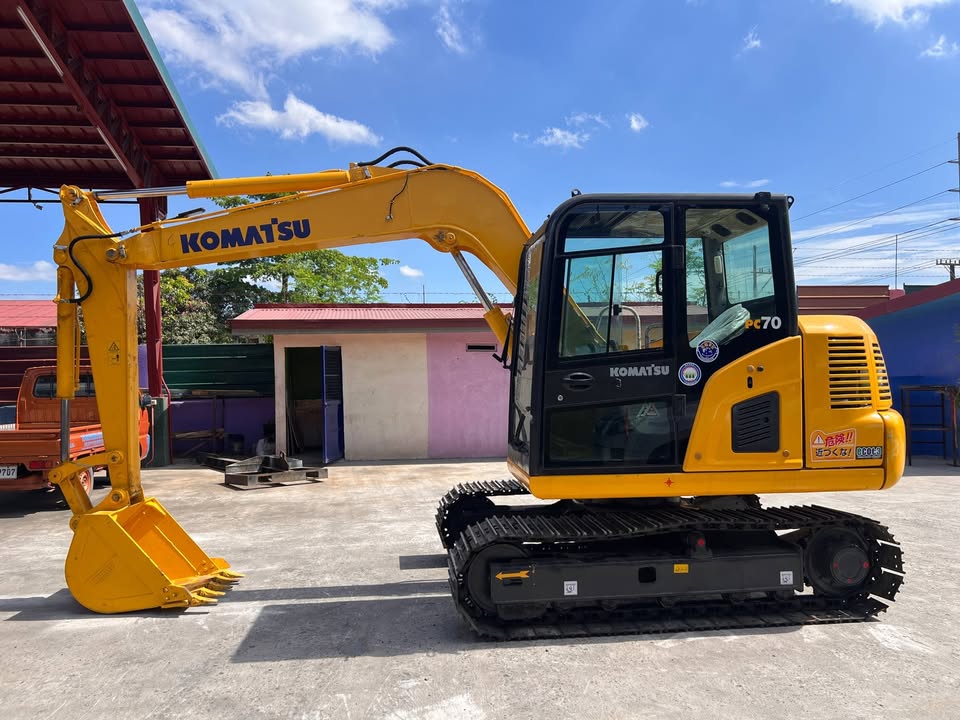
Small CAT Excavators
Small Models & Specs
You will find that small CAT excavators offer a balance between compact size and increased power. These machines fit well on jobsites where you need more reach and lifting capacity than mini models provide. Many commercial projects rely on models like the Cat 315 and Cat 325 FLCR. Both deliver strong performance, easy maintenance, and operator comfort.
| Model | Key Features |
| Cat 315 | Compact, efficient, easy to maintain, powerful for heavy-duty projects. |
| Cat 325 | Durable, powerful performance, comfortable cab, known for robust operation. |
Small CAT excavators typically deliver higher horsepower than mini models. You can see the horsepower range for these machines in the chart below:
FAQ
What is the most important spec when choosing a CAT excavator?
You should focus on operating weight first. This spec determines lifting capacity, transport needs, and jobsite compatibility. Always match the machine’s weight to your project’s demands.
How do I know if I need a mini or small CAT excavator?
Mini excavators work best for tight spaces and light tasks. Small excavators offer more power and reach for general construction. Review your jobsite size and workload before deciding.
Can I use the same attachments on different CAT excavator models?
You can use many attachments across models, but always check compatibility. Each excavator supports specific couplers and hydraulic flows. Consult your CAT dealer for guidance.
How often should I service my CAT excavator?
You should follow the maintenance schedule in your operator’s manual. Most CAT excavators require daily checks and scheduled service every 250 hours. Regular maintenance extends machine life.
What is the difference between tracked and wheeled CAT excavators?
Tracked excavators provide better stability on rough terrain. Wheeled excavators move faster on paved roads and suit urban projects. Choose based on your jobsite conditions.
Do I need special permits to transport a large CAT excavator?
Yes, you often need permits for large excavators due to their weight and size. Check local regulations before transport to avoid delays or fines.
Where can I find detailed specs for a specific CAT excavator model?
You can visit the official CAT website or contact your local CAT dealer. Both sources provide up-to-date specifications and expert advice.