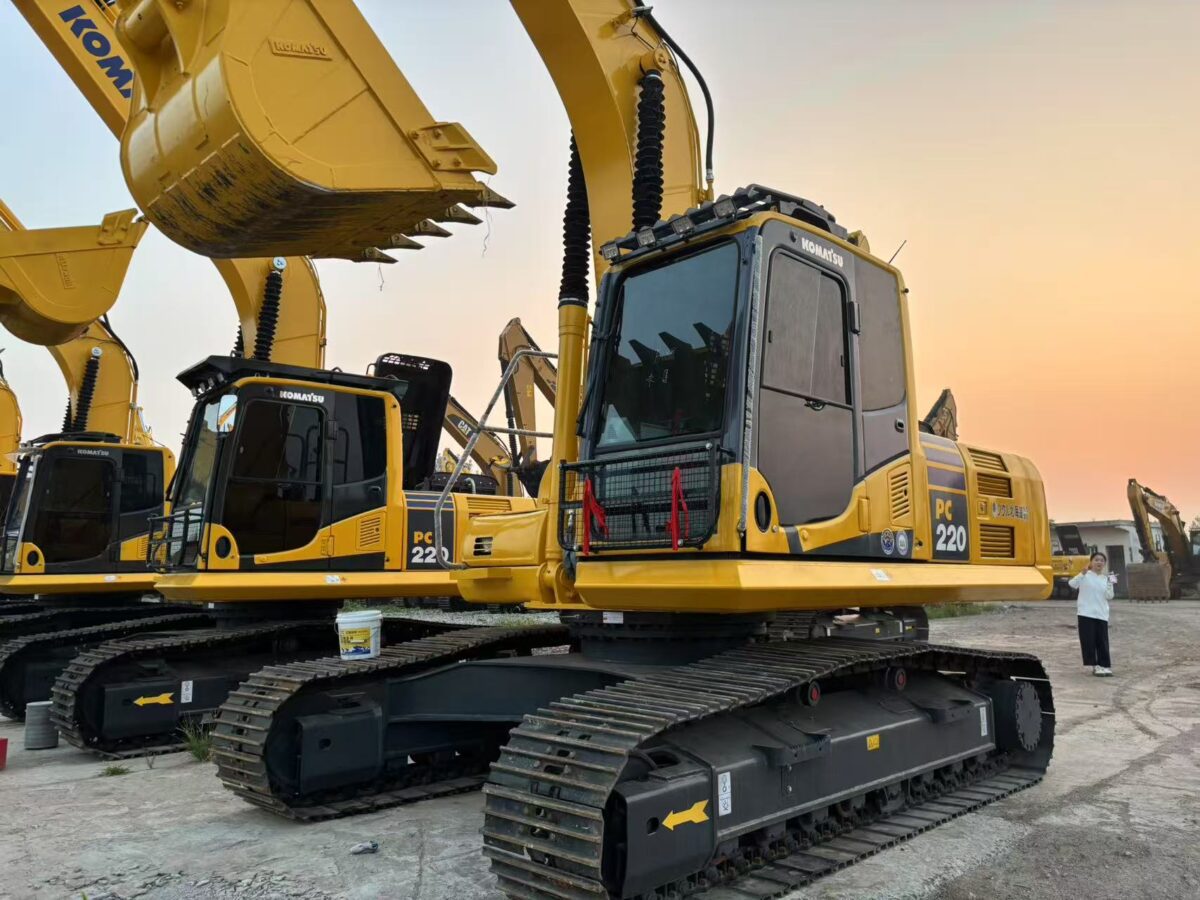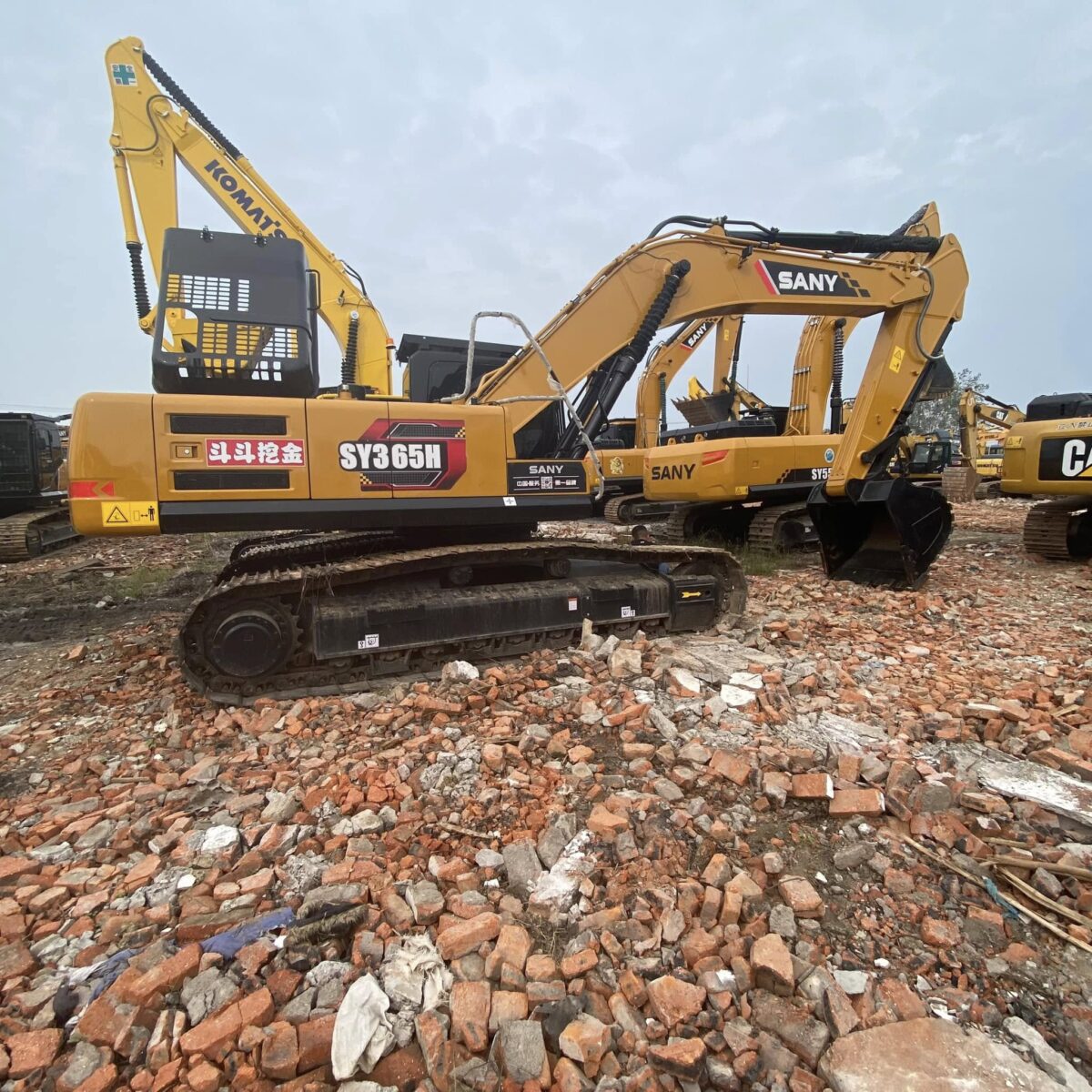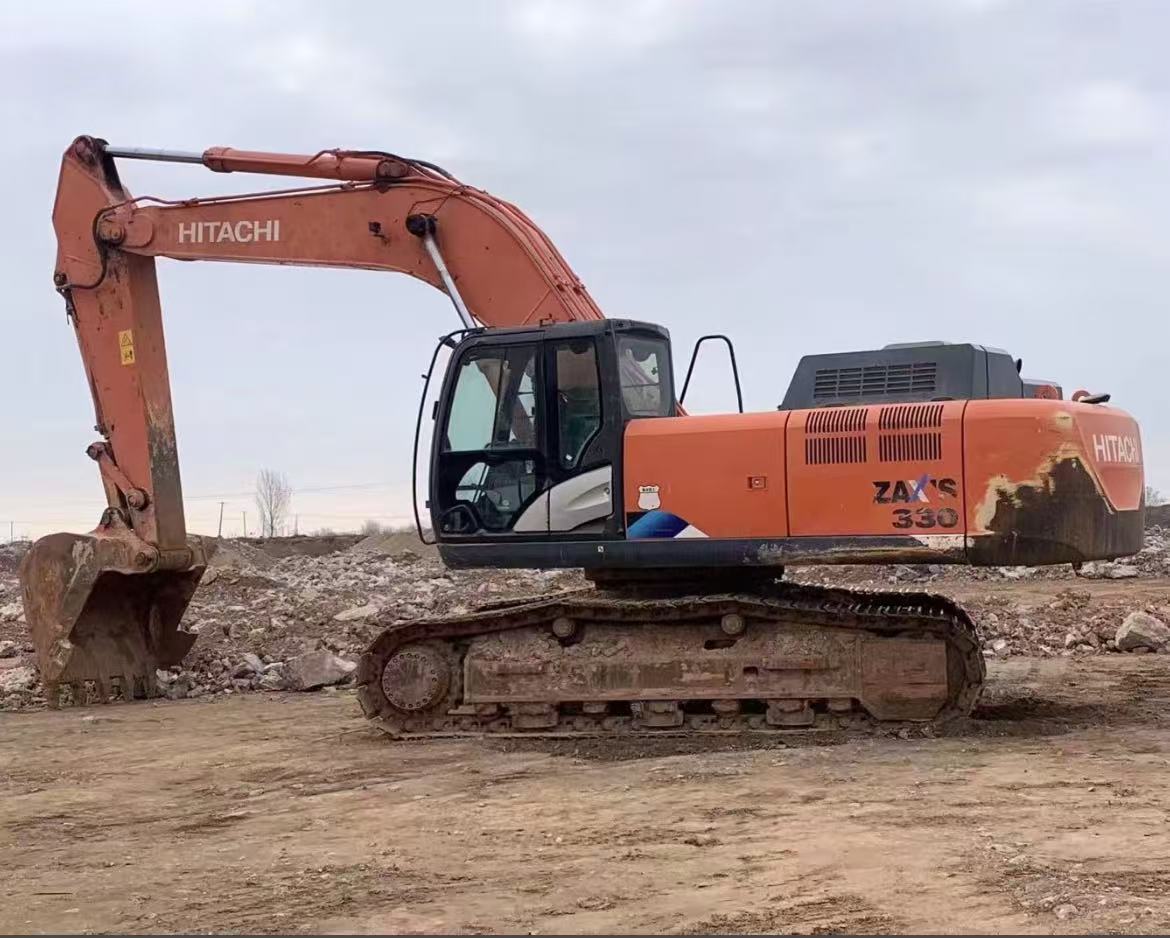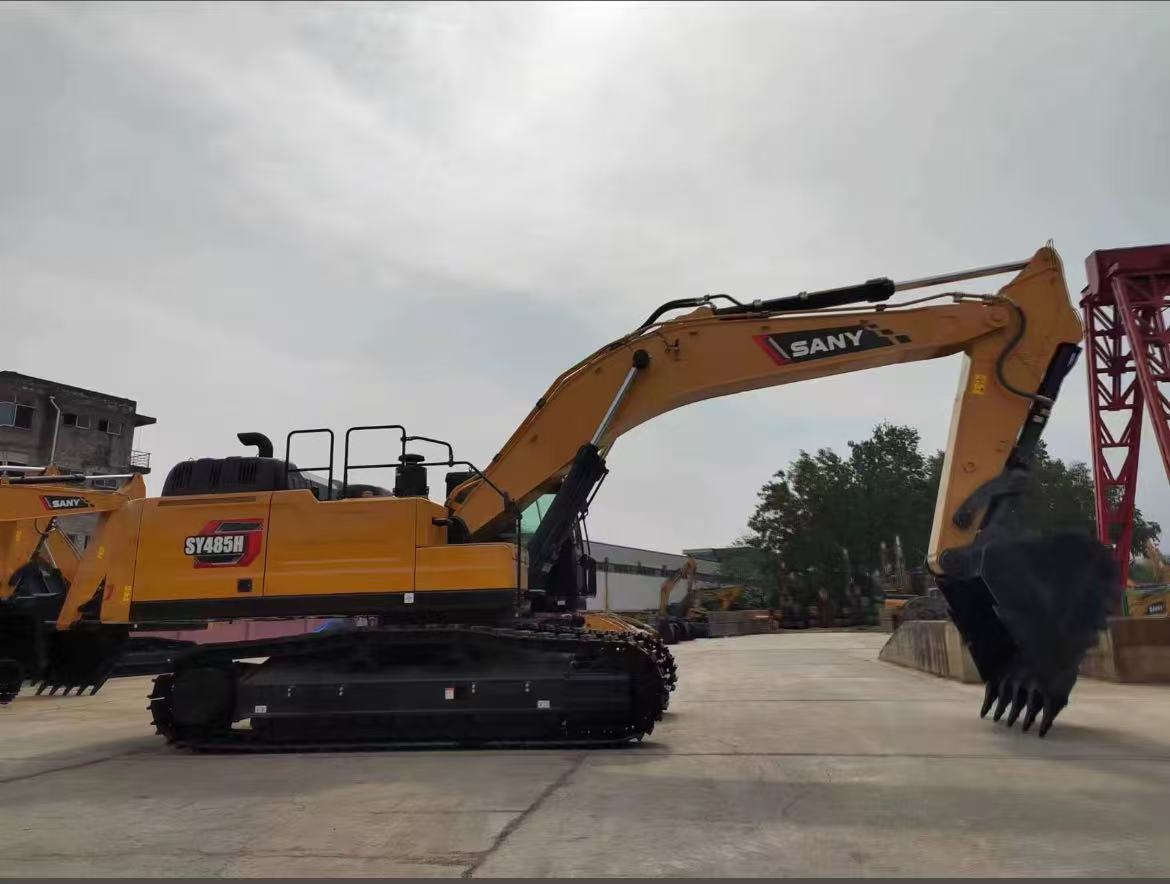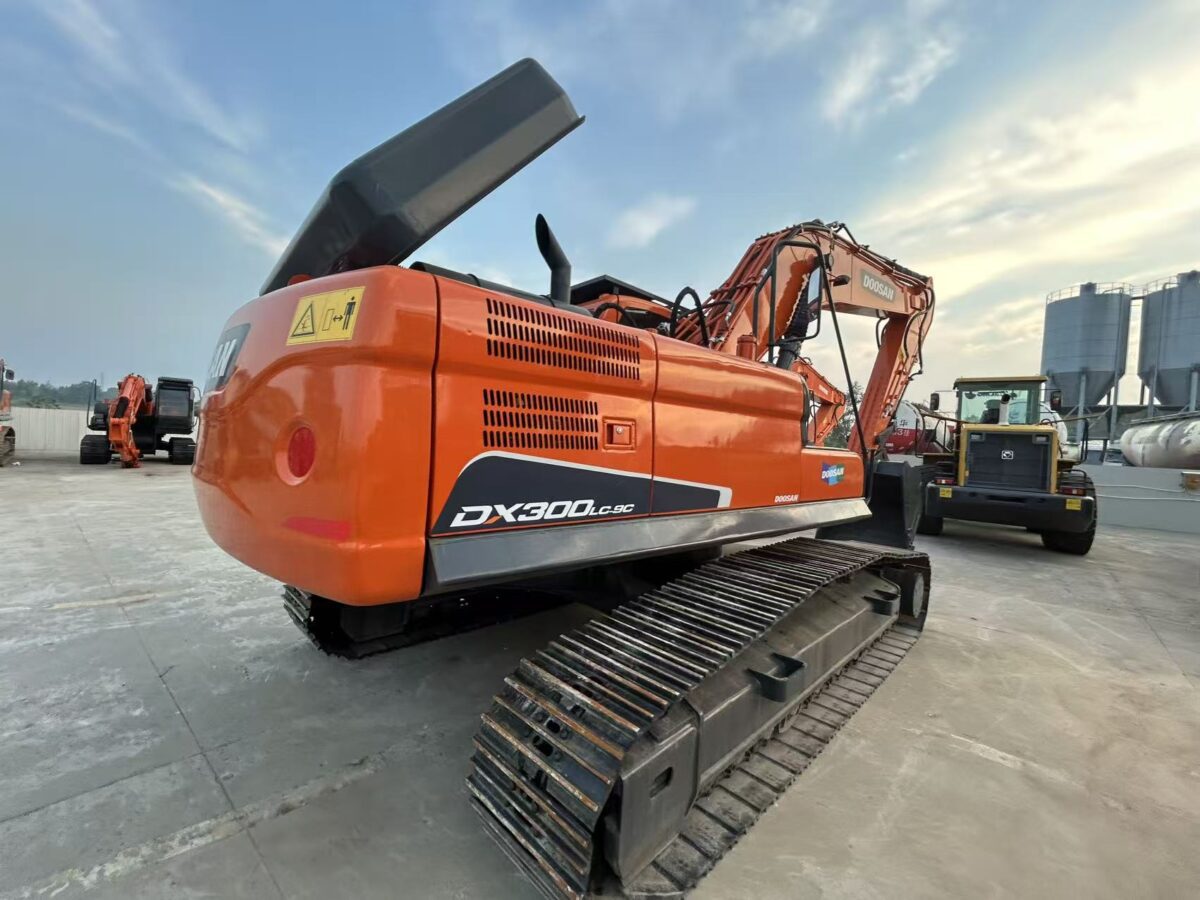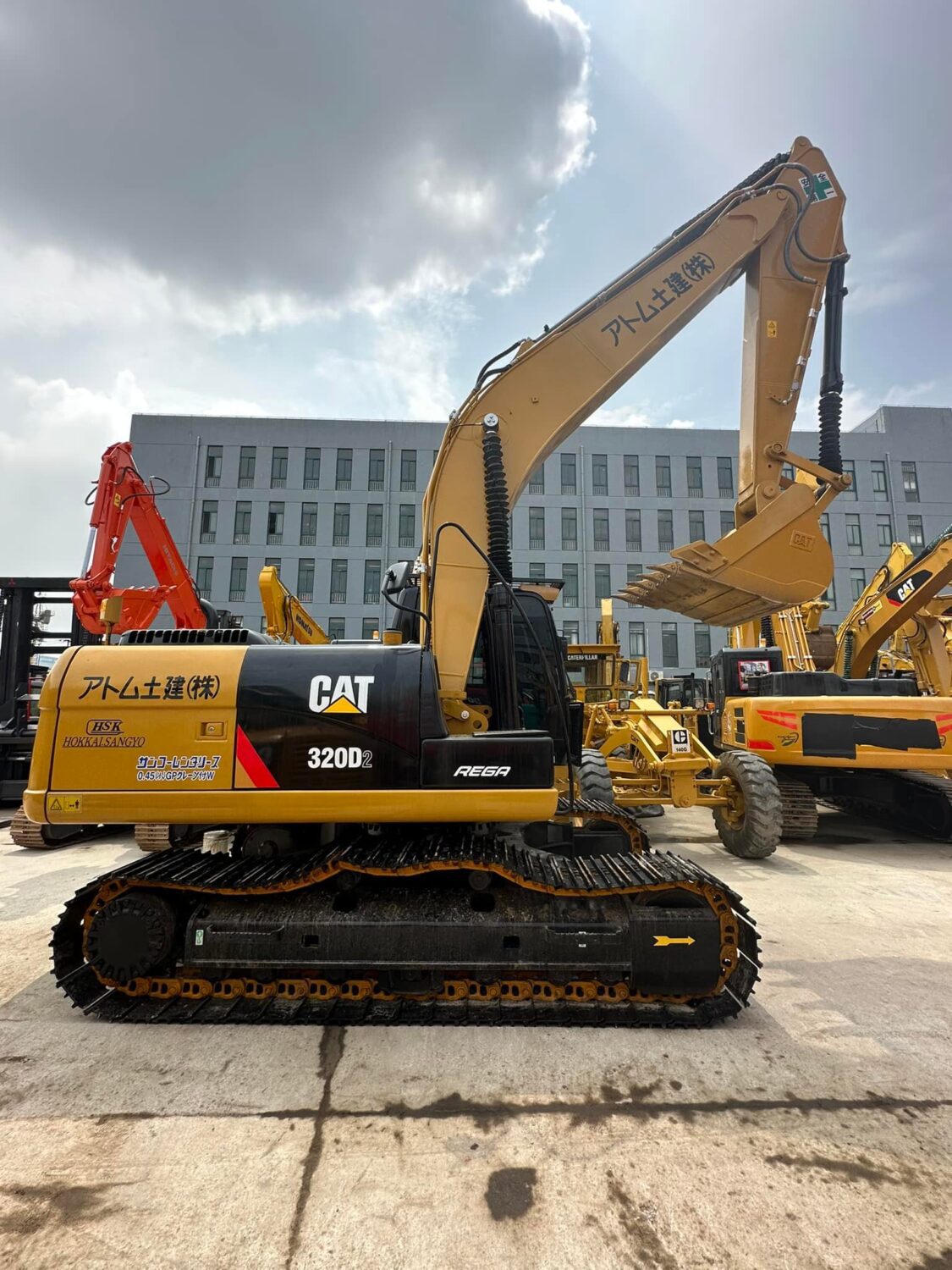
Many people prefer a used Caterpillar excavator (CAT), a used Komatsu excavator, or a used Hitachi excavator because these machines grip rough ground exceptionally well. The tracks on a used Caterpillar excavator (CAT), used Komatsu excavator, and used Hitachi excavator help keep the equipment low and spread out, ensuring it stays steady for precise work. When choosing between a used Caterpillar excavator (CAT), used Komatsu excavator, or used Hitachi excavator, consider the ground conditions at your job site and how often you’ll need to move the machine. The reputation of each brand and the reliable performance of a used Caterpillar excavator (CAT), used Komatsu excavator, or used Hitachi excavator are important factors for getting the best value for your investment.
Key Takeaways
Tracked excavators have great grip and stay steady on soft or bumpy ground. This makes them perfect for tough job sites. These machines put less pressure on the ground. This helps stop damage to surfaces. It is very important for keeping delicate landscapes safe. Tracked excavators are flexible and can do many jobs. They save time and money by working on different tasks well.
1. Traction & Stability
used Caterpillar excavator: Performance on Soft Ground
If you work on muddy or hilly places, you need strong equipment. A used Caterpillar excavator (CAT), used Komatsu excavator, or used Hitachi excavator uses tank-style tracks. These tracks spread the machine’s weight over more ground. This helps you move on wet clay, loose gravel, or snow. You will not sink or slip. You get better grip and control. Wheeled models often have trouble in these spots.
- Tracked excavators work well on soft or slippery ground.
- The tracks help you work on wet sand, dry clay, or ice.
You can trust a used Caterpillar excavator (CAT), used Komatsu excavator, or used Hitachi excavator for good grip and easy movement.
Tip: If your job site has tricky ground, tracked excavators help you work safely and keep going.
Stability in Uneven Terrain
You need steady equipment for slopes or bumpy ground. Tracked excavators spread weight over a bigger area. This keeps the machine steady. The low center of gravity and wide tracks help you climb steep hills. You can work on rocks with confidence. Rubber or steel tracks grip the ground well. You stay in control even on rough terrain.
- Tracked excavators are steadier than wheeled models.
- The design lets you move over rough ground without tipping.
- You get better control on slopes and uneven ground, which keeps you safe.
If you want strong performance in hard places, a used Caterpillar excavator (CAT), used Komatsu excavator, or used Hitachi excavator gives you the grip and stability you need.
2. Ground Pressure
used Komatsu excavator: Protecting Surfaces
You want to keep the ground safe at your job site. Tracked excavators spread their weight over more space. This lowers ground pressure and stops deep ruts or damage. A used Komatsu excavator has wide tracks and sits low. You can work on dirt without breaking up the soil. Wheeled excavators put more weight on small spots. This can leave marks or cracks. Tracked models move easily on soft or wet ground. You do not sink and keep the area neat.
1.Tracked excavators spread weight evenly.
2.You stop surface damage and soil getting packed down.
3.Wide tracks help you work on gentle surfaces.
Tip: Pick a tracked excavator if you need to protect lawns, gardens, or finished ground.
Applications for Sensitive Landscapes
You often work in places that need care. Tracked excavators are best for wetlands, old sites, and landscaped areas. Their low ground pressure keeps soil from getting packed down. You can move through mud, sand, and gravel without sinking or causing damage. Tracked machines reach places heavy equipment cannot. You help keep the land natural.
1.Wetlands and soft ground do well with tracked excavators.
2.Landscaped areas stay clean and safe.
3.Old sites are protected from big machines.
Note: Amphibious and low ground pressure excavators work great in wet soil and rocky ground. Their wide tracks can lower soil compaction by up to 30%.
You get good performance from a used Caterpillar excavator (CAT), used Komatsu excavator, or used Hitachi excavator in sensitive places. You keep the land safe and your project moving.
3. Versatility
used Hitachi excavator: Adapting to Terrain
You need a machine that works in many places. Tracked excavators can go on soft or wet ground. You can drive over mud, sand, or gravel and stay in control. A used Hitachi excavator is good at changing to fit the job. It is small enough for tight spots. It is strong for hard work. The hydraulic system helps you do careful tasks. Zero-tail swing lets you work close to buildings or fences. The machine stays steady and does not press hard on the ground. This helps protect lawns and gardens.
1.Small size is good for city jobs and small spaces.
2.Strong power helps with digging and lifting.
3.Hydraulics let you do careful utility work.
Zero-tail swing keeps you safe near buildings.
Steady and gentle on the ground protects grass and gardens.
Tip: Pick a used Hitachi excavator if you need to work in many places and want good results.
Multi-Tasking Capabilities
You want one machine for many jobs. Tracked excavators let you change tasks fast. You can use attachments like quick couplers, tilting buckets, rotating couplers, and tiltrotators. Buckets help you dig and move dirt. Augers drill holes for building. Breakers and hammers break concrete or asphalt. You get good control on hills and loose ground. Stabilizer legs and a low center of gravity help you dig strong.
- Attach crushers, shears, and hammers for breaking things.
- Use tilting buckets for grading and landscaping.
- Switch to augers for drilling and building.
- Work safely on hills and rough ground.
A used Caterpillar excavator (CAT), used Komatsu excavator, or used Hitachi excavator lets you do many jobs and work in many places. You save time and money by using one machine for different tasks.
4. Reliability
Durability of Tracked Models
You want a machine that can handle hard jobs and keep working. Tracked excavators are very strong and last a long time, especially with steel tracks. Steel tracks can last from 2,000 to 4,000 hours. They work well on rough ground and with heavy loads. Rubber tracks are better for lighter jobs and last about 1,000 to 2,000 hours. If you do tough work, steel tracks are the best choice. They last longer and work better. You can count on a used Caterpillar excavator (CAT), used Komatsu excavator, or used Hitachi excavator to work in hard places.
- Steel tracks do not wear out fast from rocks or debris.
- Rubber tracks are good for city jobs and landscaping.
- With good care, your machine will last for years.
Tip: Pick steel tracks for hard job sites and rubber tracks for softer ground.
Maintenance vs. Wheeled Excavators
You need to take care of your machine so it works well. Tracked excavators need you to check the undercarriage often. Look at the tracks, rollers, idlers, and sprockets. Check for damage and make sure the tracks are tight enough. Wheeled excavators need you to look at tires, wheels, outriggers, and suspension. Check tires for cuts and keep them full of air. Both types need you to check, clean, and oil them to last longer.
- Tracked excavators need you to clean and check the undercarriage.
- Wheeled excavators need tire checks and suspension care.
- Taking care of your machine stops big repairs and saves time.
Note: Tracked excavators cost more to run than wheeled ones,but they work better on rough ground.
If you want a machine that keeps working, a used Caterpillar excavator (CAT), used Komatsu excavator, or used Hitachi excavator is a good choice if you take care of it.
5. Best Uses
Ideal Projects for Tracked Excavators
You need a machine that works well in hard places. Tracked excavators are best when you need good grip and balance. You see them on road jobs, digging and moving dirt. These machines dig trenches for pipes and clear plants fast. You use them to make roads flat and move heavy things. They help tear down old buildings. Utility jobs, like putting in pipes and wires, use tracked excavators too. Slope jobs need their strong grip to stop dirt from sliding.
- Road jobs: digging, leveling, and moving things
- Digging trenches for pipes and drains
- Clearing away plants and trash
- Tearing down old buildings
- Putting in and fixing pipes and wires
- Keeping hillsides safe from sliding
Tip: Pick tracked excavators for soft, wet, or bumpy ground. You get safer work and better control.
When to Choose Tracked Over Wheeled
You want to pick the right machine for your job. Tracked excavators dig better and stay steady because they cover more ground. You get great grip on wet clay, loose rocks, and snow. These machines help you stay in control on hills and rough spots.
- More digging power with stabilizer legs
- Steadier because of a wide bas
- Better grip on slippery or soft ground
- Easier control on hills and rough places
When you buy a used tracked excavator, think about some important things. You save money by talking about price and looking for a warranty. You should keep money for fixing it later. Safety is important, so look for things that keep you and your team safe. Always check the machine for damage or wear. Learn about the model and brand to see if it works well. Ask for records to know how the excavator was taken care of.
Note: Checking and learning about the machine helps you find one that works well and fits your budget.
- Tracked excavators grip the ground very well.
- They stay steady when you use them.
- The tracks press less on the ground.
- This helps keep your job site safe.
- You can use these machines for many jobs.
- Caterpillar, Komatsu, and Hitachi are trusted brands.
- These brands help you save money over time.
Pick the best excavator for your work. Trust good brands for machines that last.
FAQ
What should you check before buying a used tracked excavator?
- Look at the undercarriage for damage or wear.
- Check the machine’s maintenance history.
- Try out the hydraulics to see if they work.
Tip: Watch the machine work before you buy it.
How do you maintain a tracked excavator for longer life?
- Wash the tracks after you finish using the machine.
- Make sure the tracks are tight enough often.
- Put oil on parts that move so they don’t break.
Note: Checking your machine often helps you spend less on repairs.
Can you use tracked excavators on paved surfaces?
- Rubber tracks work well on pavement.
- Steel tracks can hurt hard ground.
- Use rubber tracks for jobs in cities or gardens.