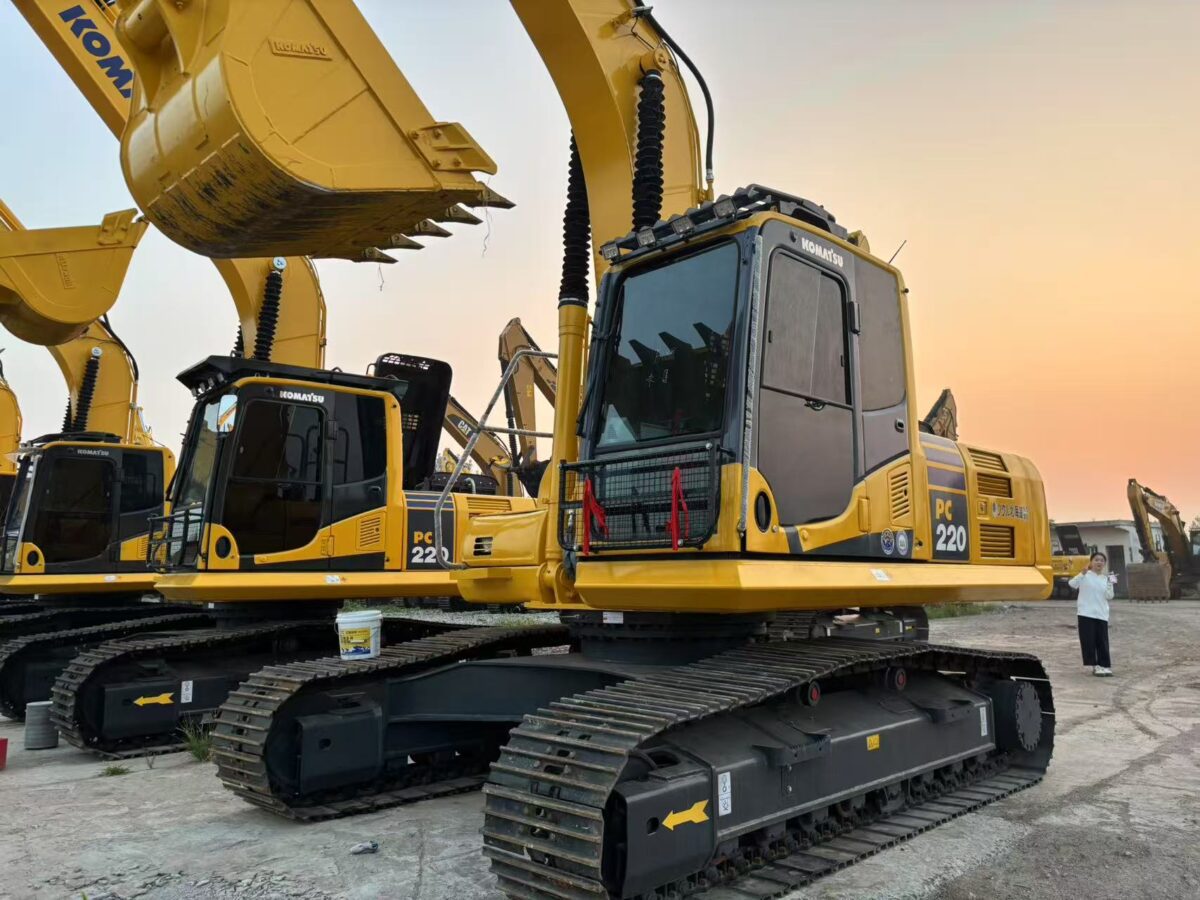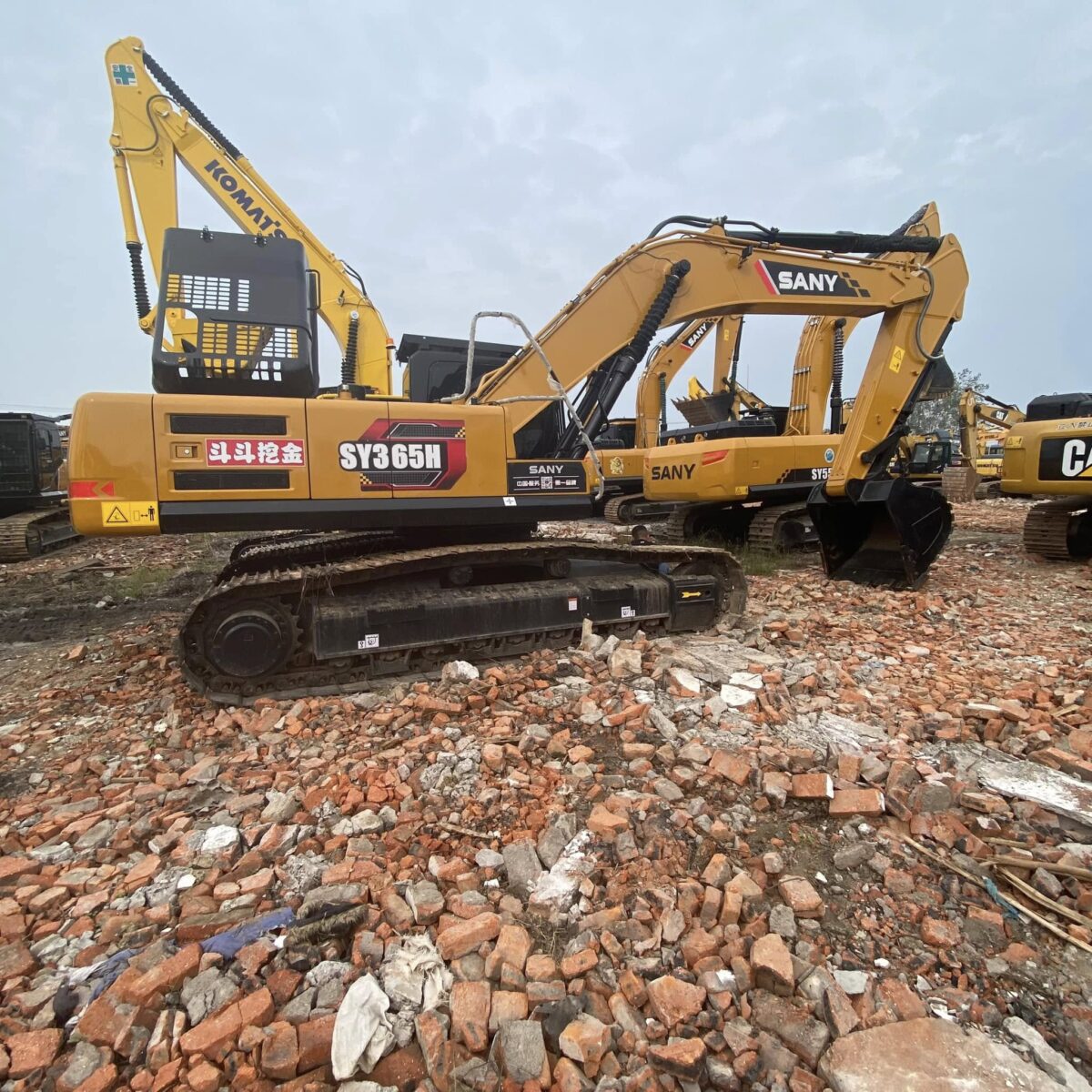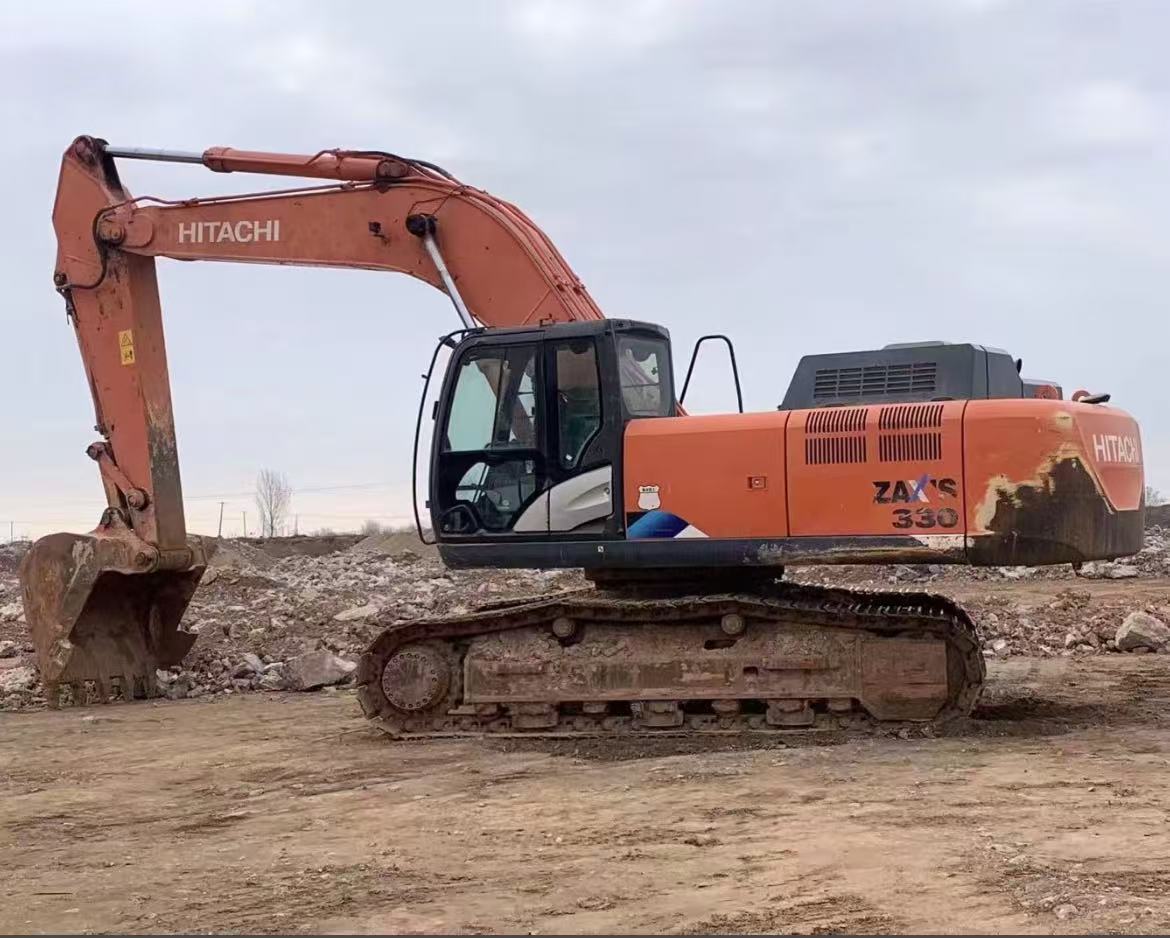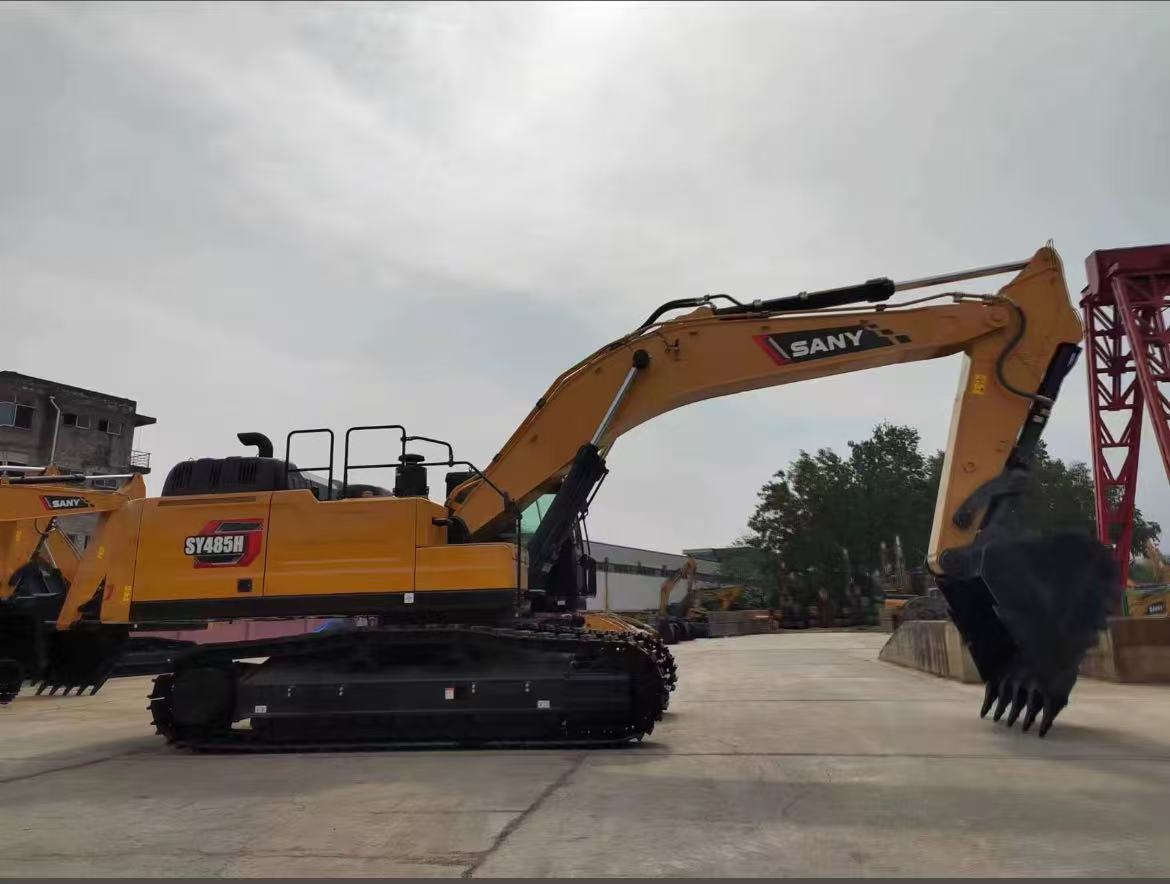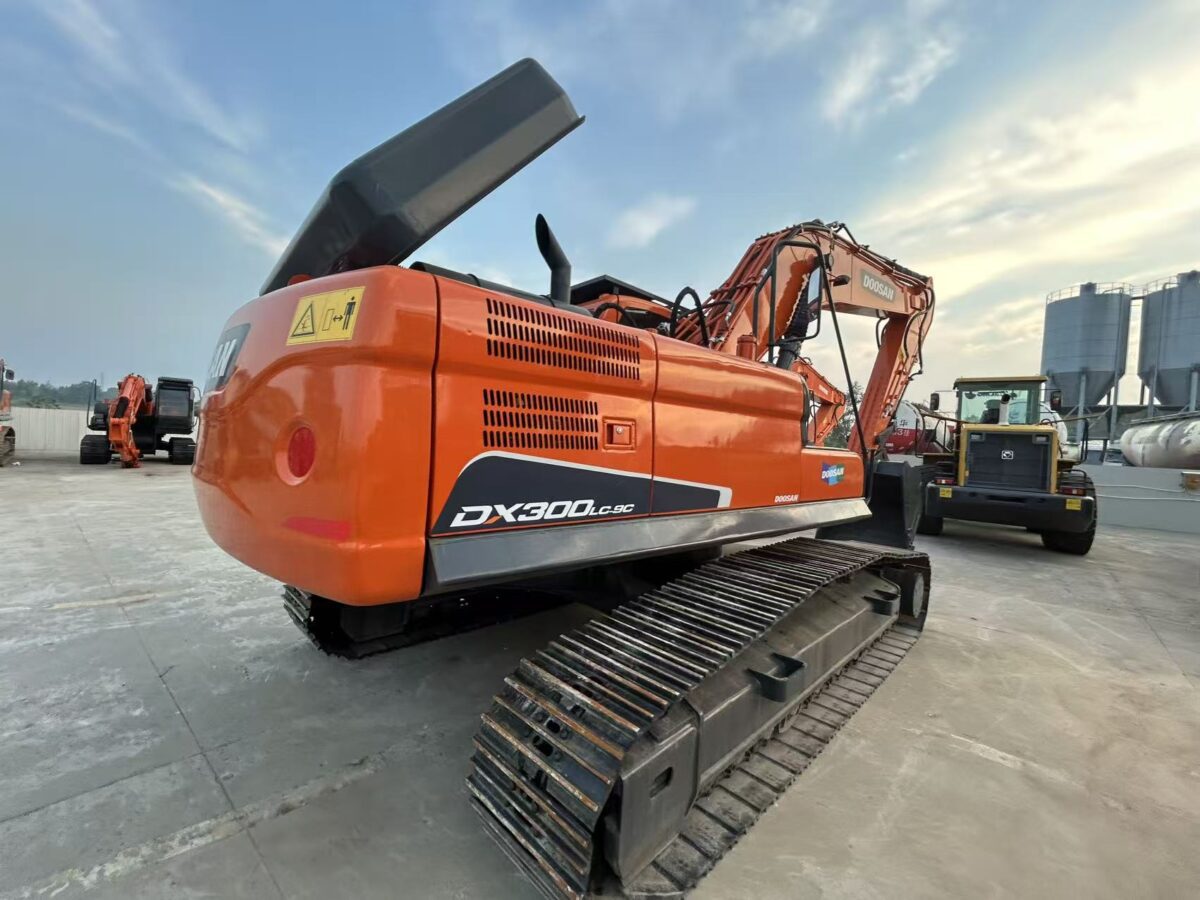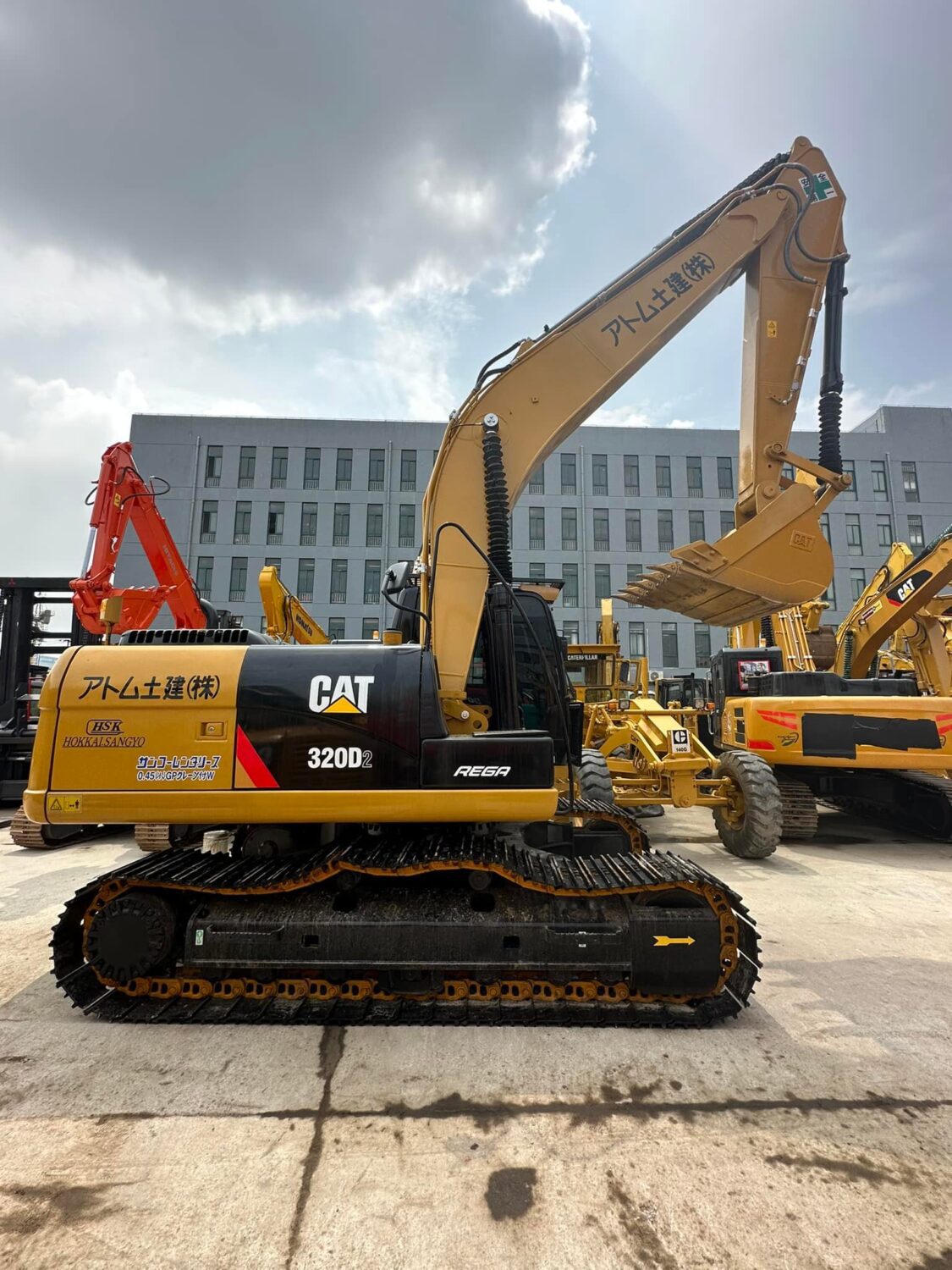
When you are preparing to purchase a used excavator, one of the most important steps is conducting a careful and complete inspection of the machine’s engine, hydraulic system, and track components. These three areas determine nearly 80% of the excavator’s performance, reliability, and long-term ownership cost. Whether you are buying a compact excavator for landscaping or a large 35-ton machine for mining or earthmoving, your ability to evaluate mechanical condition gives you a powerful advantage and protects you from unexpected repairs. This guide will walk you through every key part of the evaluation process so you can buy your next used excavator with confidence.
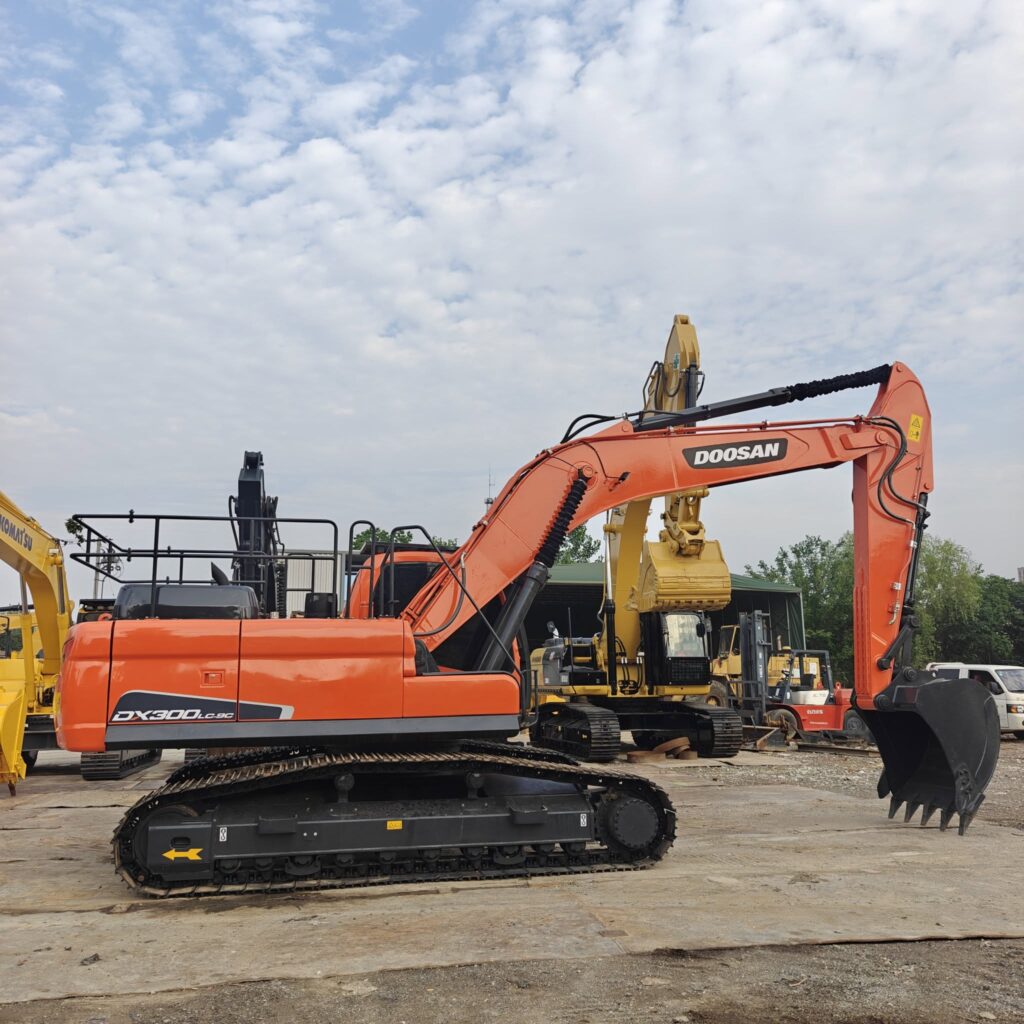
1. Why a Thorough Inspection Saves You Money
A used excavator can save you 30%–70% over a new machine, but only if the unit has been properly maintained. By checking the engine performance, hydraulic pressure, and undercarriage condition, you eliminate hidden risks that could cost thousands in repairs. More importantly, a structured inspection allows you to compare different machines, negotiate a better price, and ensure you select the excavator that delivers the best return on investment for your business. As you evaluate the machine, always combine mechanical data with visual inspection and operational testing.
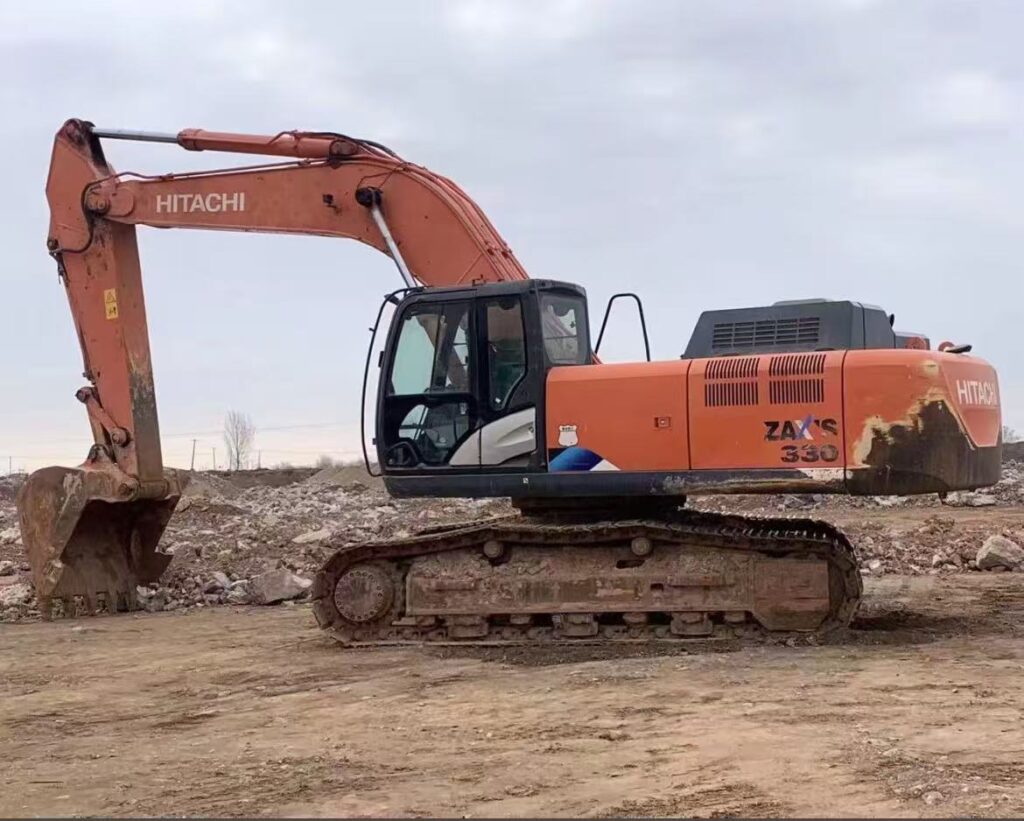
2. How to Inspect the Engine on a Used Excavator
The engine is the heart of the excavator, responsible for powering the hydraulic pumps and delivering continuous force during demanding work. Before making a final decision, you should evaluate the engine from four major perspectives: starting condition, idle stability, exhaust quality, and oil/water condition.
Check Engine Start-Up Behavior
When you turn the key, the engine should start smoothly. A used excavator with a healthy engine will fire up without extended cranking. Slow or uneven starting can indicate injector wear, low compression, battery weakness, or fuel system blockage. If possible, start the excavator both in cold and warm conditions.
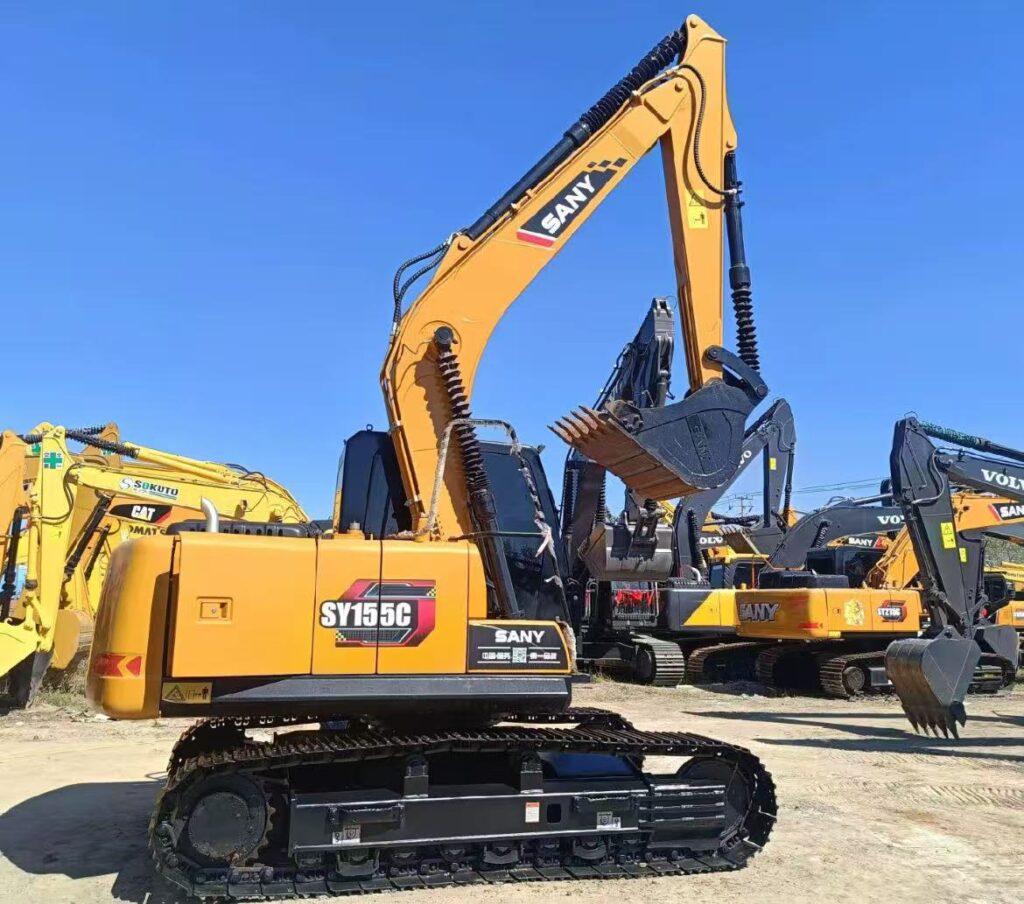
Observe Idle Performance
Once running, the engine should hold a steady idle with minimal vibration. Fluctuating RPM, rattling noises, or irregular pulses may indicate air intake leaks, fuel delivery problems, or internal wear.
Inspect Exhaust Color
Exhaust color reveals important information about internal engine condition:
Black smoke → too much fuel, worn injectors, clogged air filter
Blue smoke → burning oil, cylinder wear
White smoke → coolant leakage, head gasket issue
A strong, clean exhaust is a very positive sign.
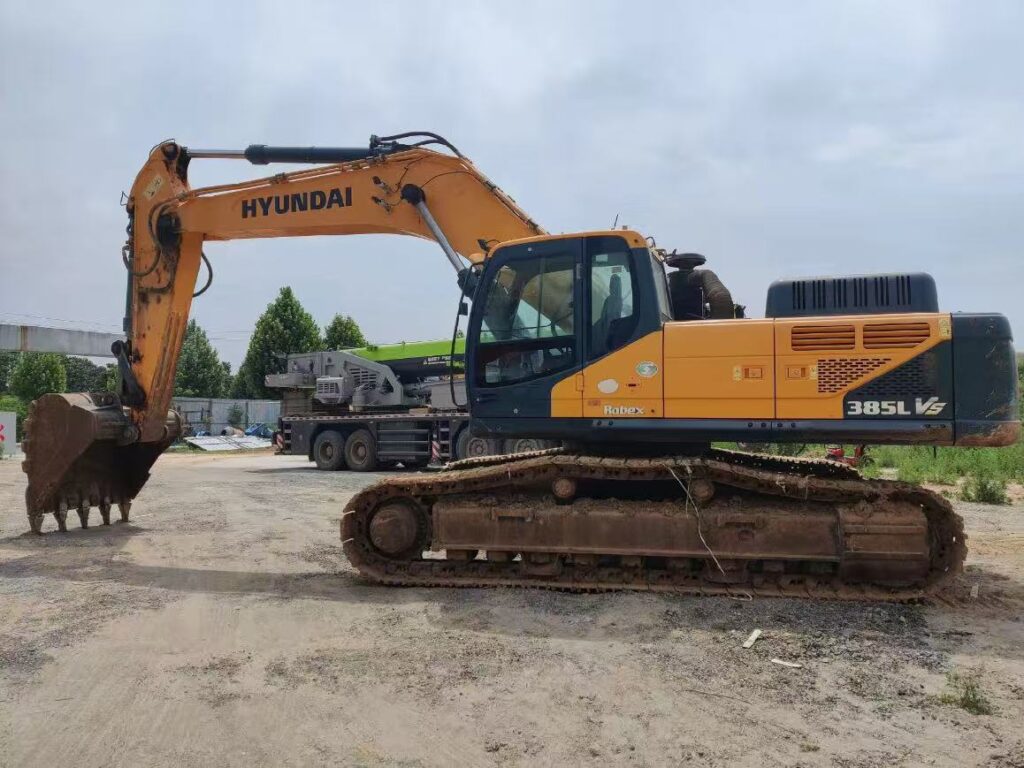
Check Engine Oil and Coolant
Remove the dipstick and look at the oil color and level. Milky oil may indicate coolant contamination. Dark, thick oil suggests overdue maintenance. For coolant, check for proper level, absence of rust, and no bubbles in the reservoir.
By inspecting these aspects, you ensure the engine can deliver consistent power without expensive upcoming repairs.
3. How to Evaluate the Hydraulic System on a Used Excavator
Hydraulics determine digging strength, lifting power, travel speed, and machine responsiveness. A weak hydraulic system significantly reduces productivity, so your inspection must be detailed.
Inspect Hydraulic Lines and Hoses
Walk around the machine and examine every hose for cracks, bulges, leaks, or patchwork repairs. A single leaking hose may be a small issue, but multiple worn hoses suggest long-term neglect.
Check the Hydraulic Pump Condition
Start the machine and listen for unusual noise coming from the pump. Whining, rattling, or metal-on-metal sound indicates pump wear. Check for pressure loss during boom and arm movement. A strong used excavator should maintain power even under heavy load.
Test Cylinder Smoothness
Operate the boom, stick, and bucket through full range of motion. Movements should be smooth without jerky or delayed response. Cylinder rods should be shiny, free of rust, and without oil residue.
Measure Operational Power
Dig into a soil pile or simulate a heavy push. If the machine stalls, slows down, or loses power during combined operations, the hydraulic pump or control valves may be worn.
4. How to Inspect the Tracks and Undercarriage
The undercarriage can represent up to 50% of your future maintenance cost, so a careful inspection is essential.
Check Track Shoes and Links
Look for cracks, missing bolts, and uneven wear on track shoes. Excessive wear reduces traction and increases risk of derailment.
Inspect Rollers, Idlers, and Sprockets
Each component should turn smoothly without grinding noises. Worn sprockets with sharp teeth indicate the track chain is near end of life. Rollers should not leak oil or wobble during movement.
Measure Track Tension
Track tension that is too tight can strain the travel motor, while tension that is too loose increases derailment risk. Proper tension shows the machine was maintained correctly.
5. Conduct an Operational Test
Once visual checks are complete, you should operate the excavator to confirm its real performance.
Test Swing Function
A healthy excavator swings smoothly, stops precisely, and holds position without drifting.
Test Travel Motors
Drive the machine forward and backward. Listen for abnormal noise, and confirm equal power on both sides.
Check Boom and Arm Strength
Lift a heavy object or push against resistance. Weak lifting force often reveals hydraulic pump decline.
6. Q&A: Your Key Questions Answered
Q1: How long should a used excavator engine last?
A well-maintained engine can last 8,000–12,000 hours, sometimes more.
Q2: Are hydraulic repairs expensive?
Yes. A major pump overhaul can cost $2,000–$8,000, so checking hydraulics is essential.
Q3: How can you negotiate price after inspection?
List repair issues and request a discount equal to the estimated repair cost.
Q4: Should you bring a technician?
Yes, especially for high-value units. A technician can perform pressure tests and find problems not visible to the eye.
7. Final Advice Before You Buy
By thoroughly checking the engine, hydraulic system, and undercarriage of a used excavator, you greatly reduce risk and increase the chance of buying a machine that performs like new—but at a fraction of the cost. A structured inspection process gives you confidence and ensures you invest in a machine that supports your business growth, efficiency, and long-term profitability.